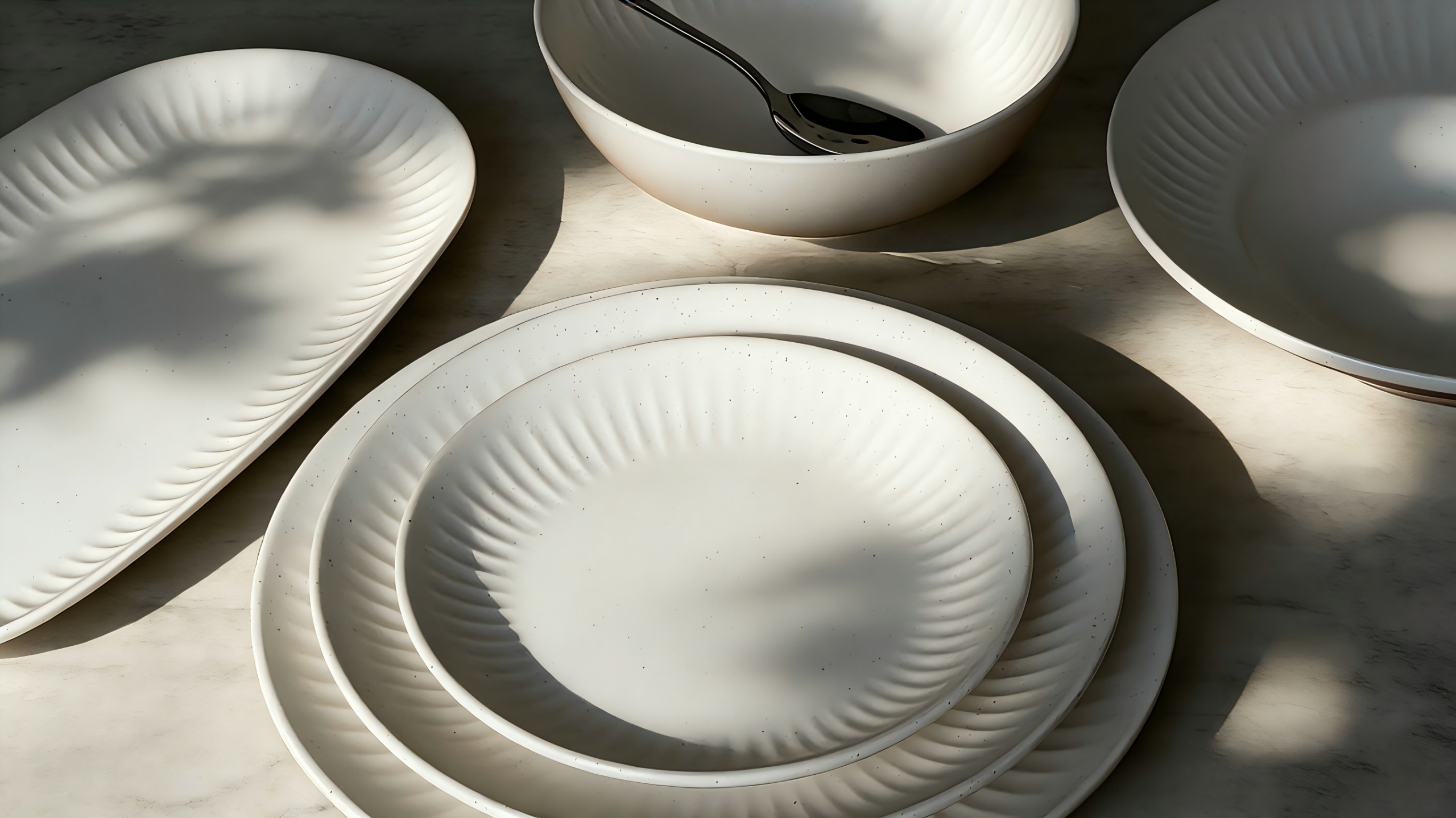

What is Melamine Material?
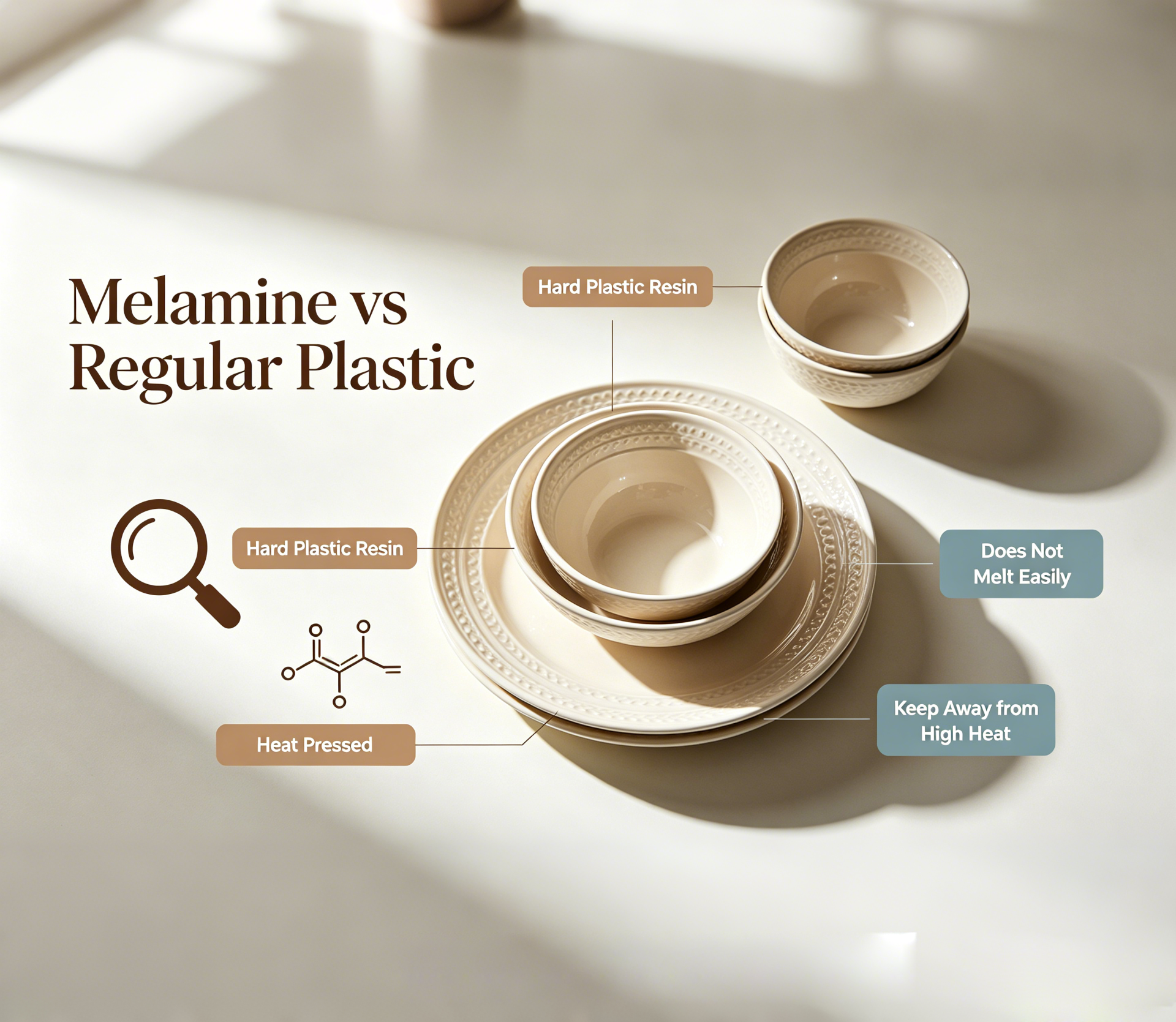
Melamine material, also known as melamine resin, is a type of synthetic plastic made from melamine and formaldehyde through a chemical reaction. It is a thermosetting resin, meaning that once it is molded and hardened, it cannot be remolded. This gives it exceptional hardness and durability, making it a popular choice for manufacturing tableware and other household items.
The chemical properties of melamine allow it to withstand relatively high temperatures, and its smooth surface gives it a glossy finish. This makes melamine tableware ideal for daily use and even commercial settings. Unlike traditional ceramic or glassware, melamine tableware is resistant to breaking, making it especially popular in households with children or in high-traffic food service environments.

Key Advantages of Melamine Tableware
- Durability and Break Resistance
One of the most significant advantages of melamine tableware is its ability to withstand drops and impacts. Unlike ceramic or glassware, melamine is less likely to break when dropped. This makes it an ideal choice for households with children or for restaurants where breakage could lead to expensive waste. Its durability also contributes to long-term use, making melamine tableware more cost-effective in the long run. - Lightweight and Convenient
Melamine tableware is much lighter than traditional ceramic or glassware, making it easier to handle, store, and transport. This is especially beneficial for outdoor events, picnics, and camping trips. The lightweight design also makes cleaning more convenient, as melamine plates, bowls, and cups are easier to carry around and don’t add much bulk when stored. - Aesthetic Appeal
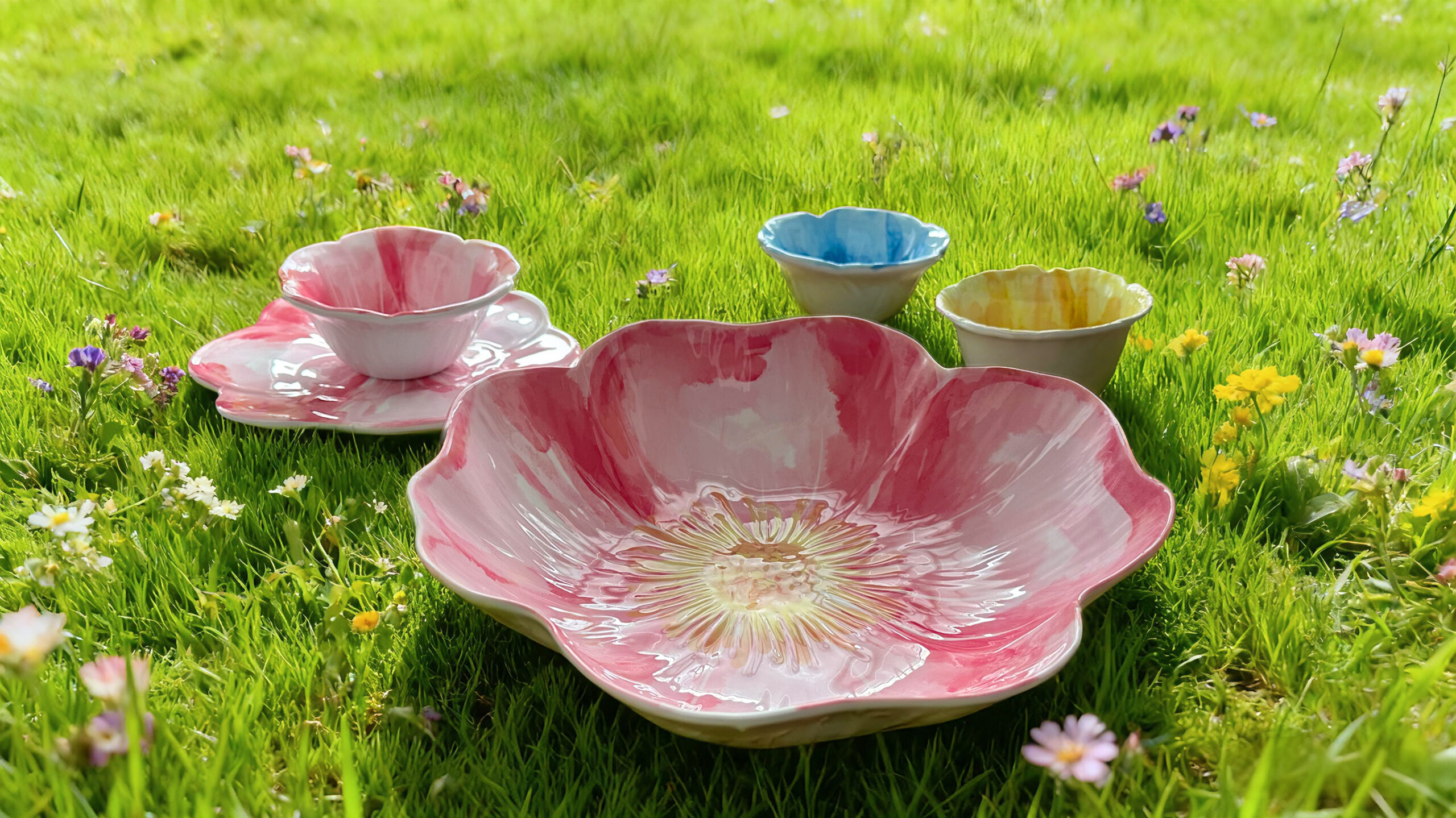
Melamine’s smooth surface allows for a variety of colorful and intricate designs, which can enhance the aesthetic appeal of any dining table. Whether for casual meals at home or special occasions like weddings or parties, melamine tableware can be customized with patterns and colors that suit any setting. This versatility makes it a popular choice for themed events or restaurants looking to add a unique touch to their dining experience. - Good Heat Resistance
Melamine can tolerate heat up to around 100°C (212°F), making it suitable for holding hot food. This heat resistance ensures that it can be used for a wide variety of meals, from soups to hot pasta. However, it is important to note that melamine should not be used with food that exceeds this temperature, as it could lead to deformation or damage to the material.
Is Melamine Safe?
A common concern for consumers is whether melamine tableware is safe. In general, melamine tableware is safe when used properly. However, there are some precautions to be aware of to ensure its safety.
- High Temperatures
Melamine tableware is designed to withstand temperatures up to 100°C (212°F), but exposing it to higher temperatures (above 120°C) can lead to deformation or the release of trace harmful substances. It’s essential to avoid using melamine tableware with very hot foods or in environments where high heat is involved. - Microwave Heating Risks
Unlike other materials like ceramic or glass, melamine is not microwave-safe and may deform or release harmful chemicals when exposed to microwave heat. Always transfer food to microwave-safe containers if you need to heat it in the microwave. - Acidic and Fatty Foods
Melamine is vulnerable to acidic substances like vinegar or citrus juices, as well as hot, oily foods. Prolonged exposure to these substances can cause the material to degrade over time, affecting its quality and potentially releasing chemicals into the food. It’s best to avoid using melamine tableware for storing acidic or oily foods for extended periods.
As long as melamine tableware meets food-grade standards and is used according to guidelines, it remains a safe option for everyday use.
How to Properly Use Melamine Tableware
To ensure that melamine tableware lasts longer and remains safe to use, follow these best practices:
- Avoid Using in the Microwave: Heating it in a microwave may cause the melamine material to deform or release harmful substances. It’s best to use microwave-safe containers for reheating food instead.
- Control Temperature: While melamine is resistant to moderate heat, it should not be exposed to extreme temperatures. Avoid using melamine tableware for serving extremely hot food, particularly items that exceed 100°C (212°F), such as boiling liquids or frying food.
- Avoid Strong Acids or Bases: Melamine material is sensitive to acidic foods such as vinegar and lemon juice, as well as highly alkaline substances. Prolonged exposure to these substances can cause the material to deteriorate, leading to cracks or discoloration. Be cautious when using melamine for foods or cleaning products that contain strong acids or bases.
- Regularly Inspect Tableware: Check your melamine tableware periodically for cracks, discoloration, or surface damage. If you notice any wear and tear, it’s important to replace the item, as damaged tableware can harbor bacteria and compromise food safety.

How to Choose High-Quality Melamine Tableware
When purchasing melamine tableware, keep these factors in mind to ensure you’re getting a high-quality, safe product:
- Choose Reputable Brands: Always opt for melamine tableware from established brands that follow industry standards and have certification for food-grade quality. Look for products with the “Food Contact Safe” label, indicating they meet safety regulations.
- Check for Odor and Color Consistency: High-quality melamine should not have any unpleasant odor or uneven color. If a product smells off or has irregularities in its appearance, it may be made from subpar materials and could potentially release harmful substances.
- Look for Smooth Surfaces: A smooth, flawless surface is essential for easy cleaning and maintaining the quality of the tableware. Avoid products with visible imperfections, such as bubbles or rough patches, which could affect the tableware’s performance and longevity.
When choosing melamine tableware, it is important to focus on quality, safety, and reliability. As a manufacturer committed to strict production standards, we carefully control materials and processes to ensure every product meets food-grade requirements and delivers both durability and aesthetic appeal. With Vita Joy, you can enjoy a safer and more refined dining experience without compromising on design or performance.
Conclusion
Melamine material is a practical, aesthetically pleasing, and durable choice for tableware. When used properly, it is a safe and cost-effective alternative to ceramic or glass options. By understanding its properties and following the correct usage guidelines, you can enjoy melamine tableware for many years without compromising safety or quality.
If you have any questions about melamine tableware, feel free to contact us. We are happy to provide expert advice and help you make informed decisions.