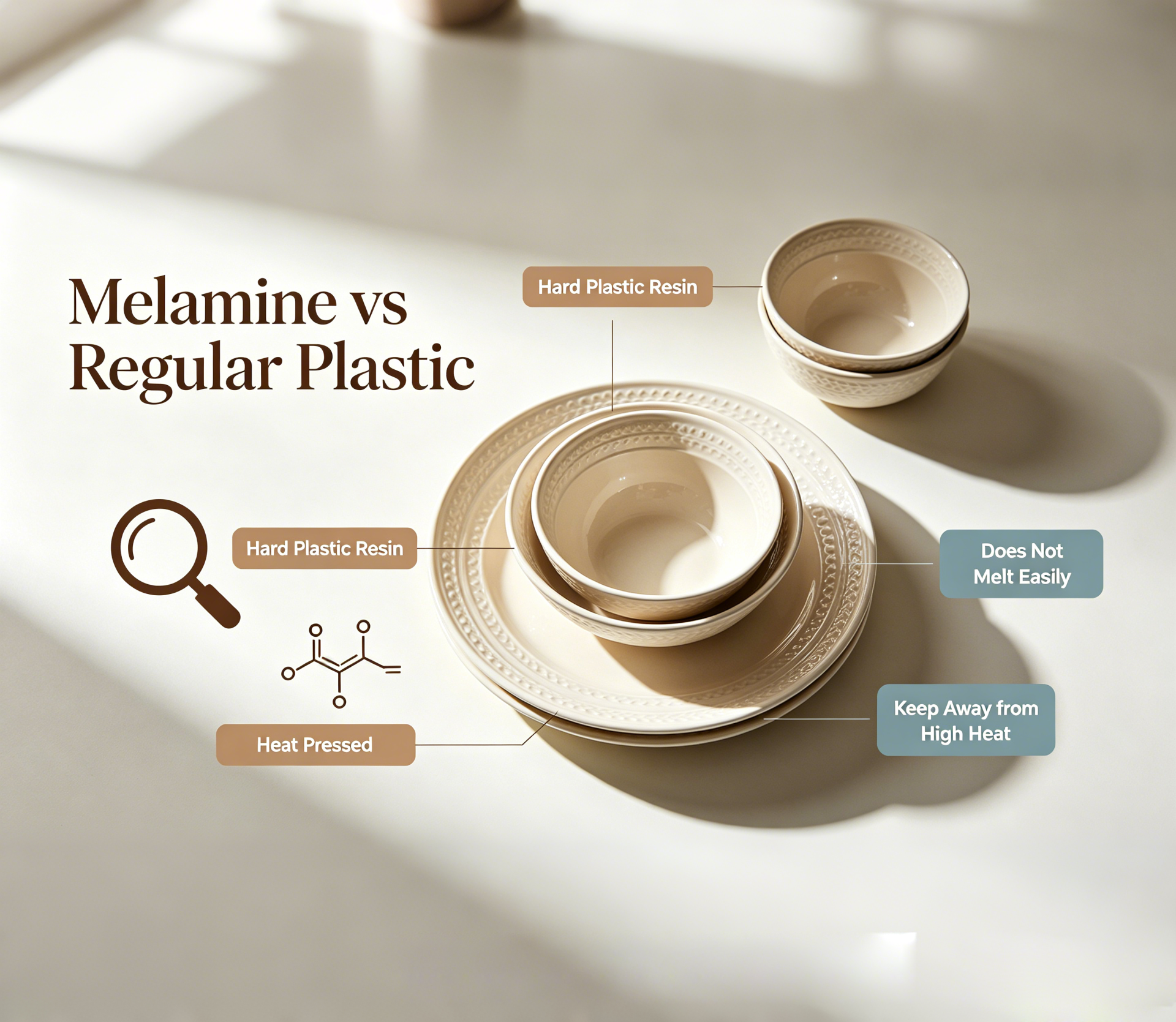

In the tableware manufacturing industry, melamine formaldehyde and urea formaldehyde are two commonly used resin materials. Due to differences in durability, appearance, and cost, their applications in tableware vary significantly. Melamine formaldehyde is widely regarded as an ideal material for high-quality and everyday tableware because of its excellent physical properties and aesthetic appeal. In contrast, urea formaldehyde, due to its lower cost, is mainly used in materials that do not come into direct contact with food. This article provides a detailed comparison to help consumers and manufacturers make informed decisions when selecting tableware materials.
What Is Melamine Formaldehyde for Tableware
Melamine formaldehyde is a thermosetting resin produced by the reaction of melamine and formaldehyde. Its unique molecular structure gives it excellent heat resistance, water resistance, and durability, making it highly suitable for tableware production.
Advantages of Tableware
- Heat Resistance: Melamine formaldehyde can typically withstand temperatures above 100°C, making it suitable for serving hot foods such as soups and main dishes without deformation or harmful release.
- Shatter Resistance: Compared to ceramic tableware, melamine products are more resistant to breaking, making them ideal for children’s use and high-frequency environments like restaurants.
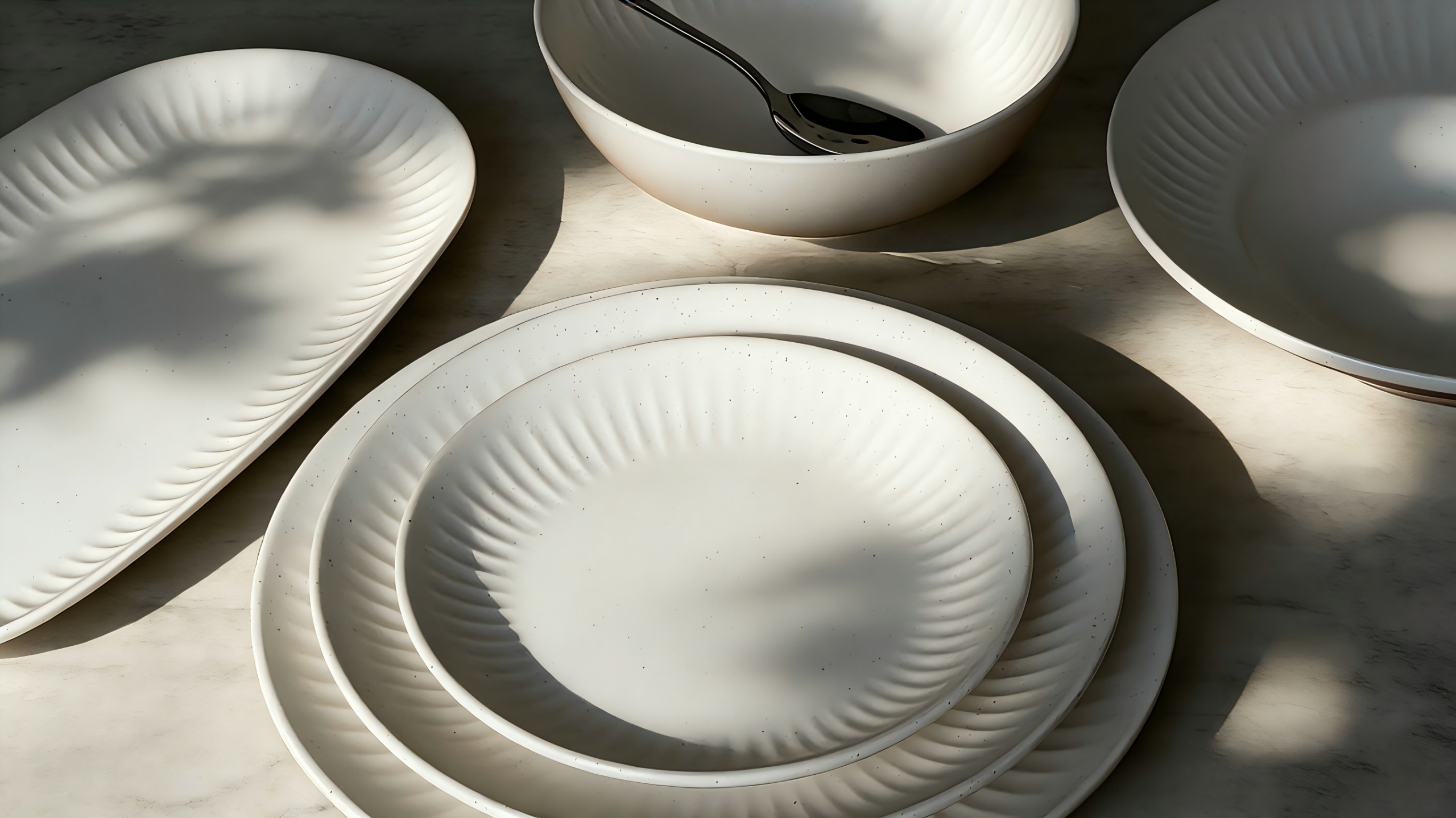
- Smooth Surface and Easy Cleaning: The hard, non-porous surface prevents food residue and oil from sticking, making cleaning easier while maintaining long-lasting shine.
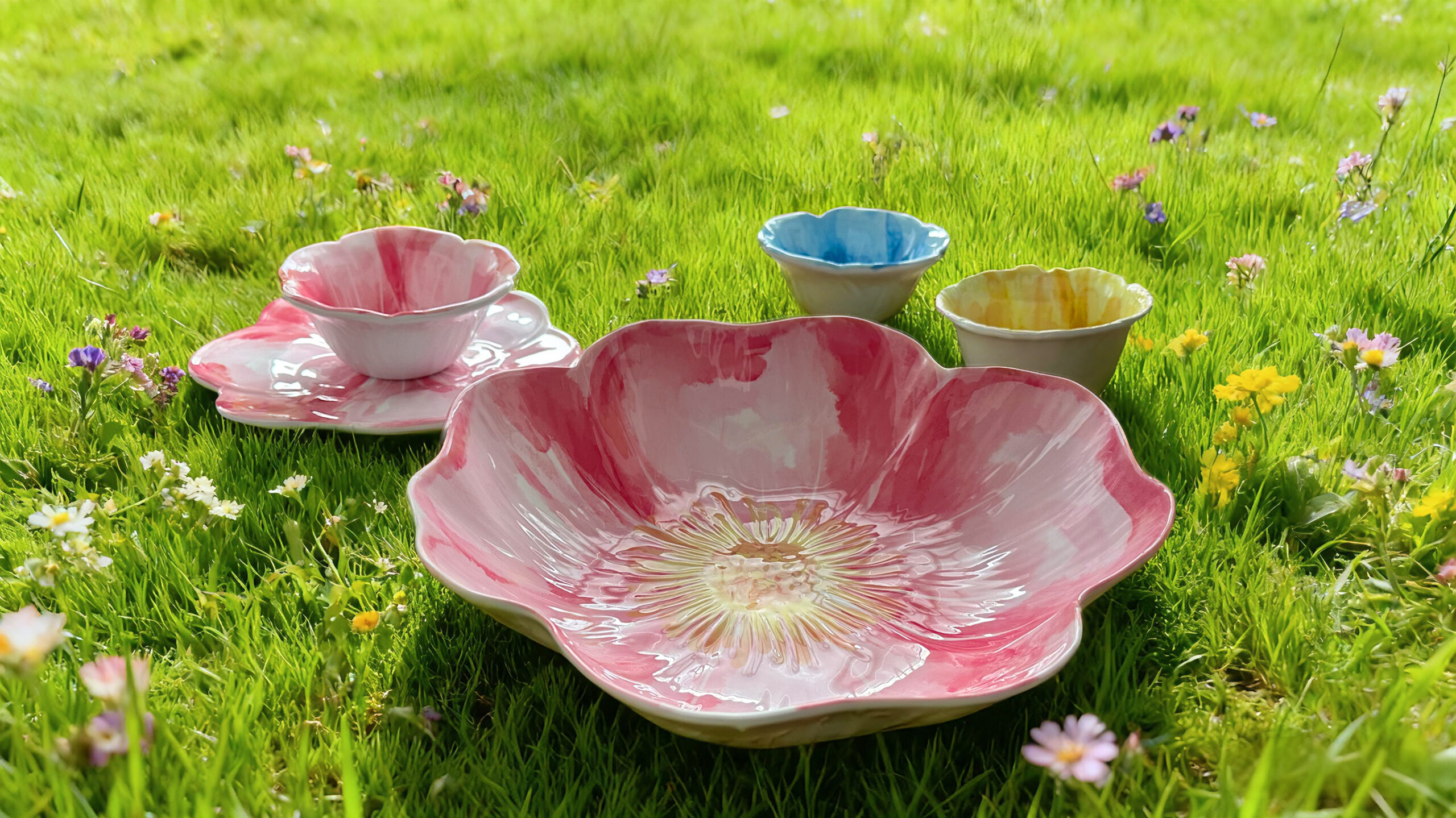
- Attractive Appearance with Custom Designs: The material allows flexible molding into various shapes, colors, and patterns, making it popular in hotels, restaurants, and households where visual appeal matters.

Common Applications
- Melamine bowls, plates, and trays: Widely used in homes and the food service industry due to their durability and resistance to heat and impact.
- Children’s tableware: Lightweight and durable, making it a safe and practical choice for kids.
- Restaurant and hotel tableware: Ideal for commercial use thanks to its long lifespan and low maintenance cost.
Is Urea Formaldehyde Suitable for Tableware
Urea formaldehyde is also a thermosetting resin made from urea and formaldehyde. Although it is widely used in furniture, construction materials, and adhesives, it is not suitable for direct food-contact tableware.
Main Reasons
- Poor Water Resistance: Urea formaldehyde tends to absorb moisture and degrade in humid environments, making it unsuitable for repeated washing or liquid contact.
- Low Heat Resistance: It can deform or break down under high temperatures, making it unsafe for serving hot food or exposure to heat.
- Safety Concerns: It may release higher levels of free formaldehyde, especially under heat or moisture, posing potential health risks and failing to meet food safety standards.
For these reasons, urea formaldehyde is commonly used in wood-based panels and industrial applications rather than tableware.
Melamine Formaldehyde vs Urea Formaldehyde
| Feature | melamine formaldehyde | Urea formaldehyde |
| Food Safety | Safe for food contact (when compliant) | Not suitable |
| Heat Resistance | High, suitable for hot foods | Low |
| Water Resistance | Excellent | Poor |
| Durability | Strong, impact and wear resistant | Weak, prone to aging |
| Appearance | Smooth, customizable designs | More basic |
| Cost | Higher | Lower |
| Main Uses | Tableware, kitchenware, kids products | Wood bonding, industrial use |
Key Differences Summary
From a tableware perspective, melamine formaldehyde clearly outperforms urea formaldehyde in terms of heat resistance, water resistance, durability, and overall lifespan. It is especially suitable for high-frequency use and environments that require strong impact resistance. On the other hand, urea formaldehyde, while cost-effective, lacks the necessary performance and safety standards for food-contact applications, making it unsuitable for tableware production.

How to Choose Safe Melamine Tableware
When selecting melamine formaldehyde tableware, consider the following tips to ensure safety and quality:
- Choose certified food-grade products: Ensure the products comply with recognized food safety standards such as the FDA, LFGB, or other local regulations. Certified products are tested for formaldehyde migration and overall safety, which helps guarantee they are safe for direct food contact.
- Avoid strong odors or low-quality items: High-quality melamine tableware should have little to no odor. A strong chemical smell may indicate poor raw materials or incomplete curing, which could lead to higher levels of harmful substance release over time.
- Do not use in microwaves: Although melamine formaldehyde has good heat resistance, it is not suitable for microwave use. Prolonged or uneven heating may damage the structure of the material and potentially affect its safety and durability.
- Avoid long-term use with highly acidic or oily foods: Foods with high acidity or oil content, especially when hot, may gradually affect the surface quality of the tableware. Over time, this can reduce its lifespan and impact both appearance and performance.
Conclusion
Overall, melamine formaldehyde is an ideal material for tableware due to its durability, heat resistance, and safety when manufactured to proper standards. It is widely used in household, commercial, and children’s tableware. In contrast, urea formaldehyde is not suitable for food-contact products due to its lower performance and potential safety concerns. Therefore, choosing high-quality melamine tableware is essential for ensuring both safety and long-term usability.
If you are looking for reliable and high-quality melamine tableware, Vita Joy offers a wide range of products that meet international safety standards. Whether for home use or commercial sourcing, you can count on consistent quality and performance. Please feel free to contact us for more information about melamine formaldehyde tableware.