
If you’ve shopped for lightweight, unbreakable plates, bowls or mugs, you’ve definitely typed “is melamine plastic” into Google—this is the top question everyone asks about melamine tableware. Let’s break everything down in plain, easy words, no confusing chemistry jargon.
1. Straight Answer: Is melamine plastic?
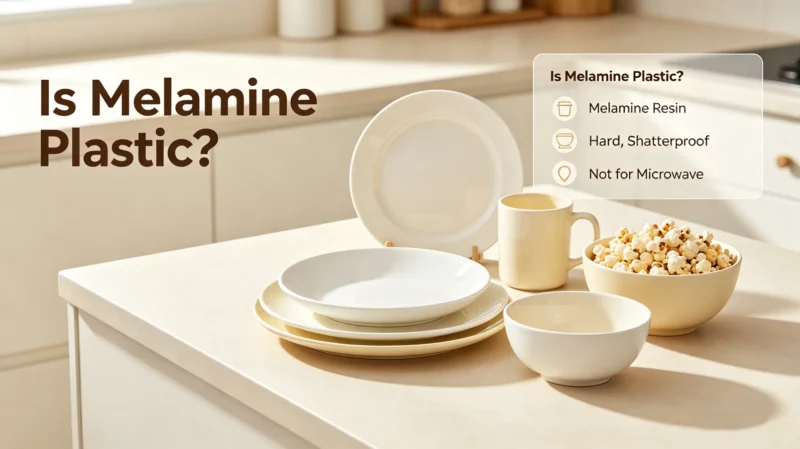
Short version: It’s a special type of plastic, but totally different from the cheap disposable plastic you know.
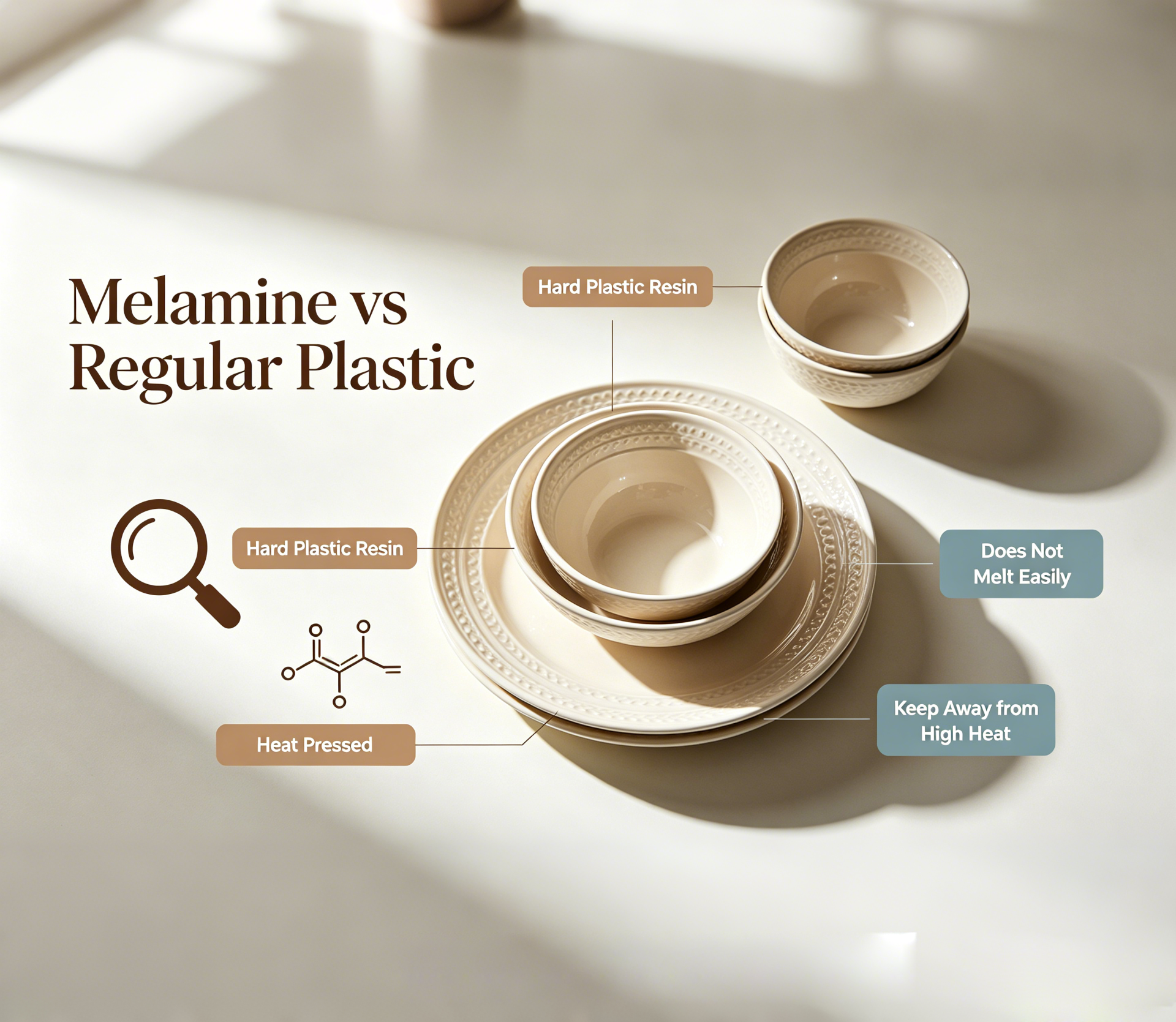
Regular plastic (water bottles, food takeaway boxes) is thermoplastic—heat it up, it melts, you can reshape it over and over.
Melamine tableware is made of melamine formaldehyde resin, a thermoset plastic. Once heated and pressed into plates or bowls, it hardens forever. It will never melt again, even with hot meals.
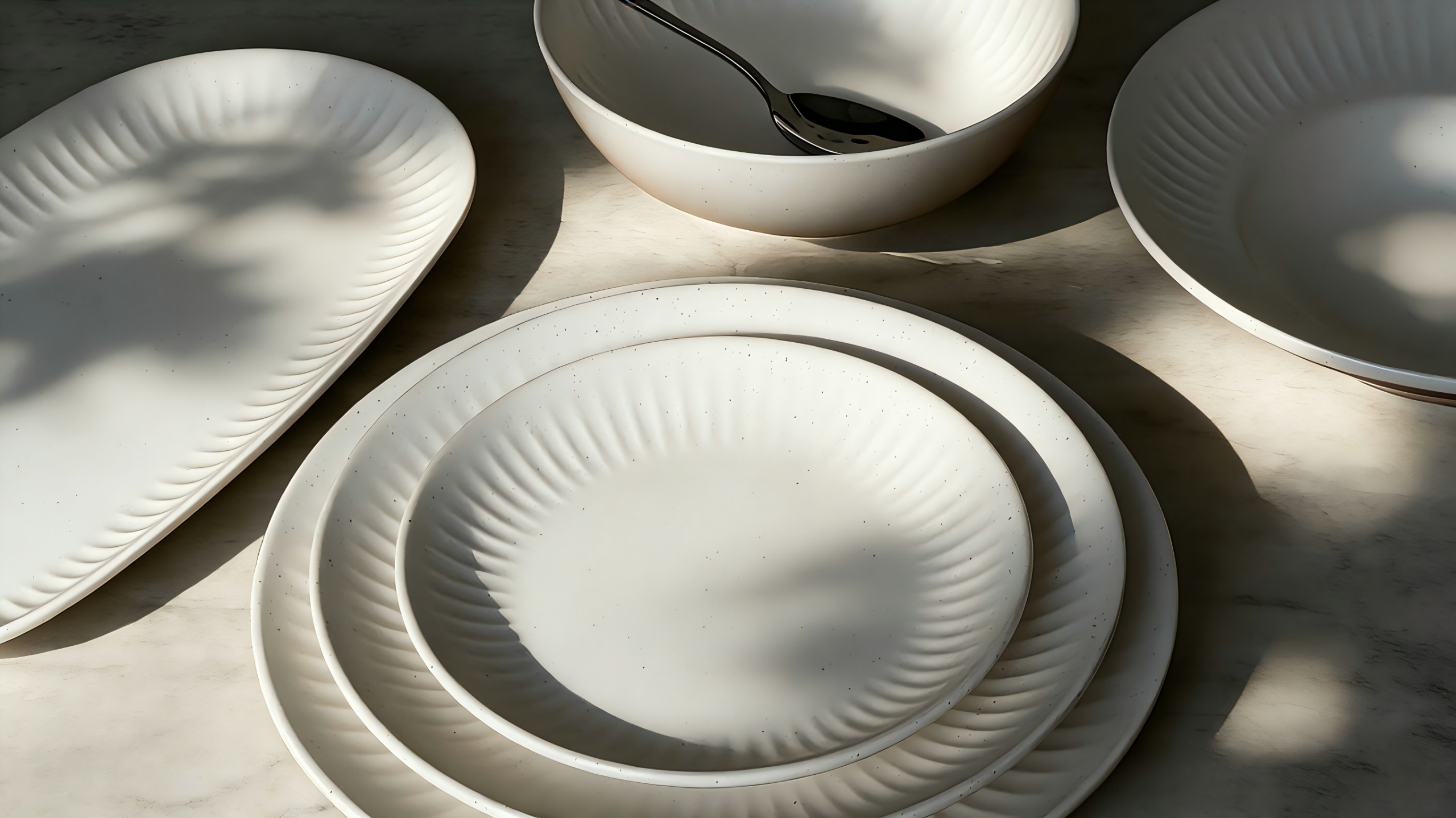
Don’t mix them up! Cheap thin plastic bends easily, scratches fast and can leak weird chemicals in heat. Melamine feels hard, smooth like ceramic, drop it and it won’t shatter. It looks fancy but acts tough.
 2.What exactly is melamine?
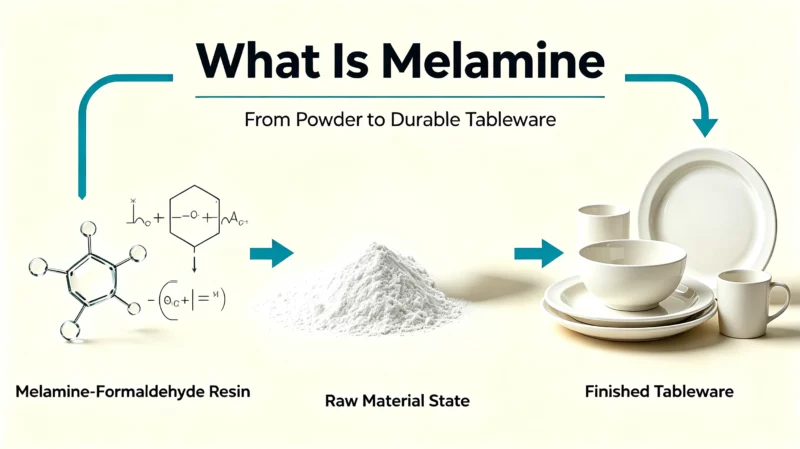
Melamine itself is just a safe chemical powder. Manufacturers mix it with formaldehyde, press it under high heat to make solid melamine resin blanks, then mold them into all kinds of tableware: plates, mixing bowls, popcorn bowls, kids’ mugs, houseware sets and outdoor dinnerware.
Its biggest wins:
– Super light, super low risk of breaking—perfect for kids, restaurants, camping, pool parties
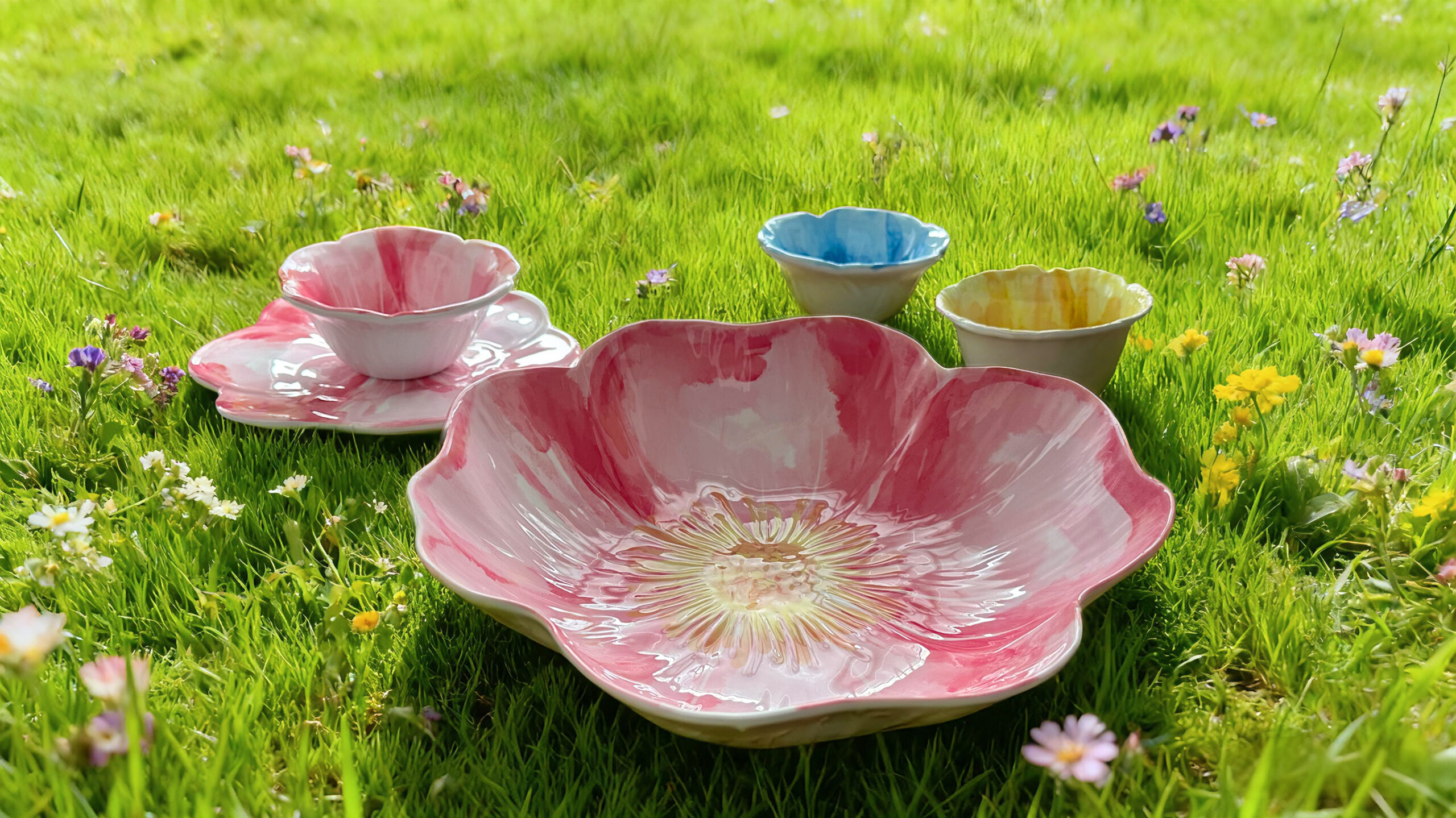
– Glossy finish with beautiful prints, looks way nicer than basic plastic
– Stain-resistant, easy to wipe clean
– Cool to touch even with warm food, no burnt fingers
Food-grade melamine (all our tableware) passes global food safety tests like FDA and LFGB, safe for daily family and commercial use.
 3.Complete melamine usage guide: Do’s & Don’ts
Lots of people ruin their melamine or worry about safety because they use it wrong. Follow these simple rules:
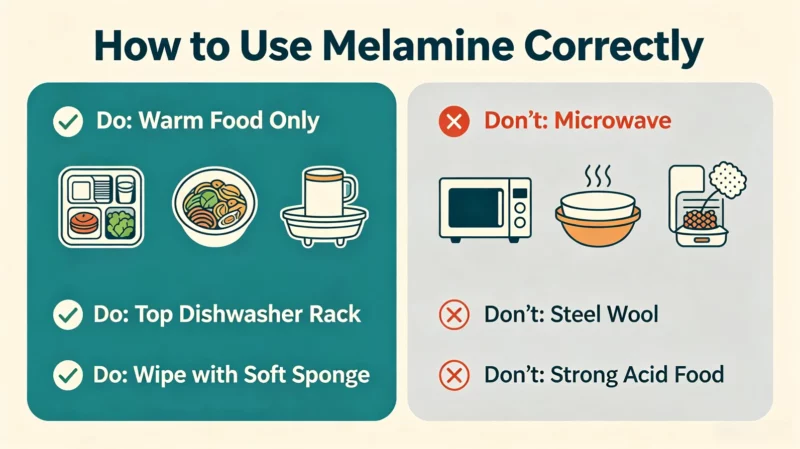
√ Things you CAN do
- Serve cold, room-temperature or warm food (under 70°C / 158°F)
- Use on top dishwasher rack with mild soap, gentle wash cycle
- Store fruits, snacks, salads, dry food, bread and desserts
- Wipe light stains with soft sponge and warm soapy water
- Use for hotels, restaurants, outdoor picnics, school cafeterias, cafes and home daily meals
X Things you MUST NEVER do
- No microwaves, ovens or air fryers
High microwave heat breaks down melamine resin and releases unwanted substances. Even if you warm leftover soup, pour it into ceramic first.
- Don’t hold boiling hot soup, oil or steaming hot food long-term
- Avoid long-time storage of strong acidic food: vinegar, tomato sauce, citrus juice
- Never scrub with steel wool or rough scrub pads—they leave tiny scratches that trap bacteria
- Don’t use harsh bleach or abrasive cleaning powder
- Toss any melamine dish with deep cracks, faded print or heavy scratches
O Extra small tips
– Clean food off right after eating to avoid tough stains
– Its service life is about 2–3 years; replace once surfaces look worn
– Great for popcorn bowls, houseware sets and kid tableware—these are our most popular melamine items
Wrap Up
To recap the most searched question: Melamine is a hard, shatterproof thermoset plastic resin, nothing like cheap flexible plastic. It’s stylish, durable and safe for daily use—only keep it away from microwaves and extreme heat, and you’ll love it for years.
Whether you run a restaurant, love outdoor dining or need kid-safe unbreakable tableware, food-grade melamine is the perfect middle ground between fragile ceramic and flimsy plastic.