


Melamine tableware has become a choice in homes, cafes, and outdoor settings due to its continuity, featherlight design, and elegant appearance. Unlike ceramic or glass, melamine is made from thermosetting plastics, which makes it resistant to breakage and scrapes. Still, one question frequently arises among druggies: Can melamine tableware be washed in a dishwasher? Understanding the properties of melamine and how dishwashers operate is pivotal for safely drawing these particulars while conserving their life. This article explores the heat sensitivity of melamine, potential risks in dishwashers, safety guidelines, comparisons with other materials, and practical recommendations for everyday use.
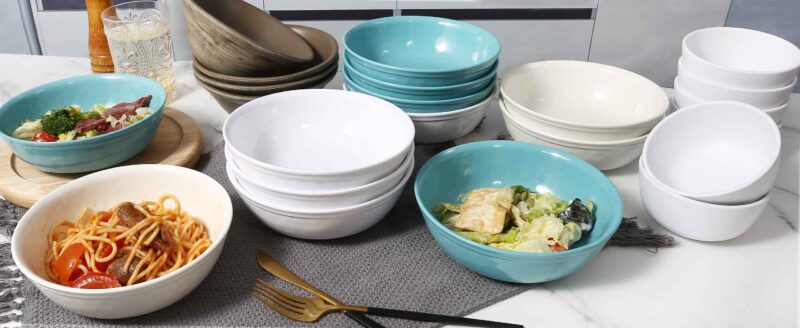
Melamine and Heat Perceptivity
Melamine is known for being featherlight, durable, and resistant to stains. Its crucial advantage is strength compared to glass or ceramic, making it ideal for both indoor and outdoor dining. Still, melamine has a significant limitation: heat perceptivity. Exposure to high temperatures can cause cracking, cracking, or loss of face coatings.
Understanding Melamine Composition
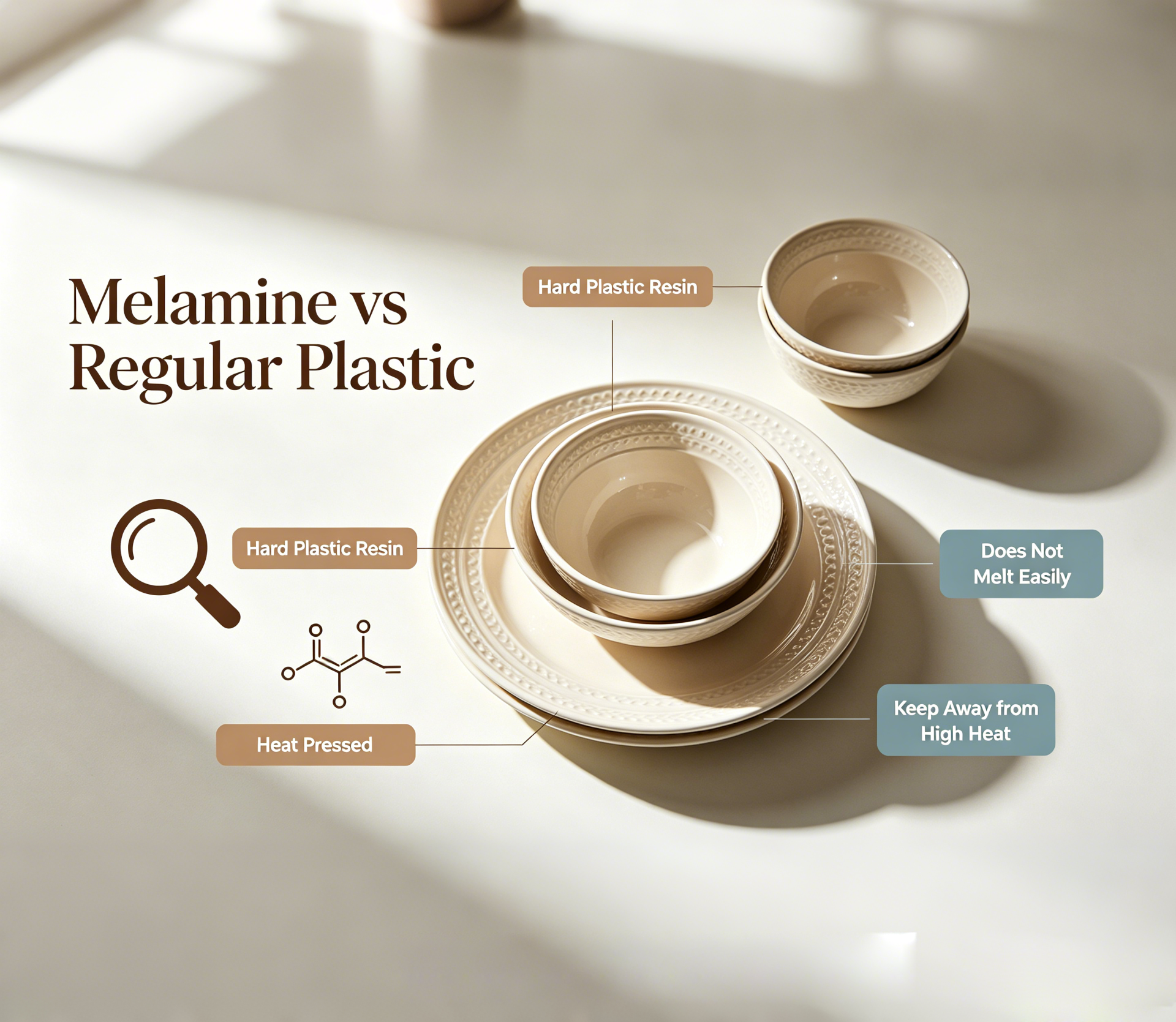
Melamine tableware is composed of a resin combined with formaldehyde, which creates a solid, durable material when cured. This structure gives melamine excellent resistance to physical damage but limits its capability to repel high temperatures. Heat exposure, particularly over 70 °C( 158 °F), can soften the material or cause brittle fractures that reduce life.
Signs of Heat Damage
Typical signs include:
- depraved edges or uneven shells
- Fading or shelling of published designs
- Brittle or weakened areas that can mince or crack
Knowing these characteristics helps druggies make informed opinions about dishwasher use.
How Dishwashers Can Produce Heat Hazards
Dishwashers use a combination of hot water, brume, and drying cycles to clean and sanitize dishes. While effective for ceramic and glass, these conditions can be challenging for melamine.
- Hot Water Exposure
utmost dishwasher cycles use water above 60 – 70 °C( 140 – 158 °F). Extended exposure can soften melamine shells, particularly on thinner plates or coliseums.
- Heated Drying
Automatic heated drying can raise the temperature further, causing fresh stress. Warping is most likely during this phase if melamine particulars are placed too close to the heating element.
- Brume attention
When dishes are piled or tightly packed, brume can accumulate between plates. This localized heat increases the threat of structural damage.
Melamine Tableware Safety Guidelines for Dishwashers
While hand washing remains safest, melamine can be washed in dishwashers if precautions are taken
- Use Lower- Temperature Cycles
Select “ eco ” or “ warm ” settings rather than high-temperature sanitizing cycles.
- Top Rack Placement
Place melamine particulars on the top rack down from hotting rudiments. This reduces direct heat exposure.
- Limit Crowding
Avoid mounding melamine too tightly; a proper distance allows heat to disperse unevenly.
- Skip Heated Drying
Air drying is recommended. However, use it to avoid fresh heat stress if your dishwasher offers a no-heat dry cycle.
- Avoid Harsh cleansers
Mild,non-abrasive cleansers help prevent face corrosion and save ornamental patterns.
Effects to Avoid fully
To cover melamine tableware, avoid these practices
- Now use high-temperature sanitizing cycles.
- Don’t place melamine near direct heat or open flames.
- Avoid mounting heavy particulars on top of melamine dishes.
- Don’t microwave oven melamine, as it can not repel violent heat.
Following these preventives ensures both the safety and appearance of your melamine particulars over time.
How to Identify Unsafe Melamine Tableware
Not all melamine products are created equal. Some have thin construction or delicate coatings that are more prone to damage. Signs of potentially unsafe melamine include
- depraved or uneven shells
- Fading, shelling, or dicing patterns
- Markers or warnings stating “ hand marshland only.”
- Checking manufacturer instructions is critical to avoid unintentional damage.
Hand Washing Is the Safer Choice
Hand washing remains the safest cleaning system for melamine tableware. Use lukewarm water and mild soap, and gently wipe with a soft sponge. Avoid abrasive scrubbers, which can scratch the face. Hand washing prevents heat exposure from dishwashers and extends the lifetime of melamine particles while maintaining their aesthetic quality.
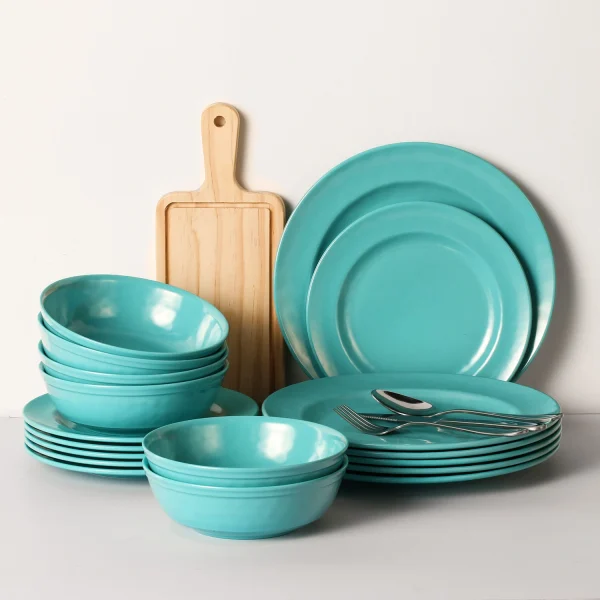
Melamine vs. Other Dishwasher-Safe Deposit Box Accoutrements
| Material | Heat Resistance | Durability | Dishwasher Suitability | Notes |
| Melamine | Low to Medium — sensitive to high heat | Very durable, impact-resistant | Top-rack only; avoid high-heat cycles | Lightweight but requires careful handling in dishwashers |
| Ceramic | High — tolerates high dishwasher temperatures | Moderate — can chip or crack | Generally safe in all dishwasher cycles | Heavier; stable for daily cleaning |
| Tempered Glass | Very high — excellent heat resistance | Strong but can break under extreme shock | Fully dishwasher-safe | Ideal for high-temperature cleaning |
| High-Quality Plastics (BPA-free) | Medium — varies by grade | Good durability | Often top-rack safe | Avoid heat-dry cycles to prevent deformation |
Health Risks of Using Melamine in Dishwashers
Repeated exposure of melamine to high temperatures can increase the threat of chemical migration, including trace formaldehyde. While ultramodern melamine products are generally safe, prolonged dishwasher use under high heat can compromise material safety. Limiting exposure to high-heat cycles, using top- rack placement, and avoiding harsh cleansers reduce implicit health pitfalls.
Common Questions
Q1:Can I put melamine mugs in a dishwasher?
A1: Only if labeled dishwasher-safe and placed on the top rack with a low- low-temperature cycle.
Q2: Will dishwasher use fade published designs?
A2: High heat and harsh cleansers can cause patterns to fade or peel over time.
Q3: Is air drying better than heated drying?
A3: Yes. Air drying minimizes heat exposure and prolongs the life of melamine tableware.
Conclusion
Melamine tableware offers continuity, featherlight convenience, and aesthetic appeal, but its heat perceptivity requires careful consideration when using a dishwasher. Hand washing is the safest cleaning system, while top- rack placement with low- low-temperature cycles may be respectable for some particulars. Avoid high-heat cycles, harsh cleansers, and mounding heavy particulars on top of melamine to ensure life.
By following these guidelines, you can safely enjoy melamine tableware in your home, office, or eatery. Mindfulness of material limits and proper dishwasher practices ensures both safety and extended usability.
For dependable and swish options, Vitajoyware offers a wide range of high-quality melamine tableware, making it your trusted mate for safe and elegant dining results. Please feel free to contact us if you need anything.



.jpg)