


Chinese dining is not only about nutrition, but about harmony, beauty, and propriety. The selection and arrangement of Chinese tableware is one of the most important distinguishing features of the dining experience, with a balance between function and cultural identity. Selection and arrangement depend on centuries-old tradition and meticulous care, whether it’s functional daily tableware or ritual meal sets. Most homes today try to marry the traditional forms to modern shapes, and brands such as Vitajoyware offer tastefully crafted collections that respect this tradition.

Key Types of Chinese Tableware
- Bowls: The Foundation of Any Meal
The bowl is the uncontestable champion among china tableware for rice, soup, and other dishes. Standard bowl sizes are 10–15 cm for rice and 15–20 cm for soups or family dishes. Porcelain, ceramic, and high-quality melamine are the norms. Decorated blue-and-white bowls are of historical significance and Ming and Qing dynasties.
- Serving Bowls and Individual Bowls
The big serving bowls, 20–30 cm in diameter, are used for family portions, and the small ones are 10–15 cm. Their use in a proper manner adds harmony to the coordination of a meal to give each one their portion without unsettling the harmony of the dining table.
- Plates and Dishes
Plates are used extensively in Chinese dining etiquette to a great extent for appetizers, meat, and specialty food. 18–26 cm wide plates are employed daily, while platters are 35 cm, serving groups. Round plates represent unity, and square plates represent stability.
- Specialty Plates
Special plates have compartmental dishes for dim sum, buns, or sauce. They are sized and designed such that one is able to serve a lot without contaminating the flavors.
- Chopsticks: The Basic Utensils
Chopsticks are the symbols of Chinese table settings. Originally bamboo, wood, or lacquer, there now exist stainless steel or melamine-coated ones. Length is typically 24 cm and can be used by adults and children alike. Table etiquette requires that chopsticks be placed in a holder when not in use and never pointed at or prodded into food.
- Chopstick Holders and Accessories
Chopstick rests are typically 3–5 cm in length for hygiene and aesthetic purposes. Identical chopsticks are occasionally sold packaged with branded tableware sets, such as Vitajoyware, for aesthetic compatibility.
- Spoons and Soup Utensils
Chinese soup spoons, measuring 12–15 cm, are used to serve congee, desserts, and soups. The spoons are either melamine or ceramic to offer heat resistance and durability. Formal dinner spoons can also be fitted with ladles for serving communal soups to guests conveniently.
- Ladles and Serving Spoons
20–25 cm serving spoons are used while serving soups in small bowls. The serving spoons for rice or vegetables are approximately 15–18 cm in length. Food is easy to consume, and the amount of spillage is reduced due to its size.
Tea culture is identified with Chinese food, and small teapots (150–300 ml) and matching cups (30–50 ml) form a Chinese table setting. Porcelain and earthenware teapots are used to infuse and heat-insulate the flavors. Tea trays and strainers form the set for ritual and routine use.
- Gongfu Tea Sets
Gongfu tea sets highlight small cups and precise pouring. Trays may be 40–50 cm long to accommodate teapots, cups, and paraphernalia. The sets highlight the cultural nature of sipping tea and foster Chinese handicraft culture.
Modern Integration and Brand Innovations
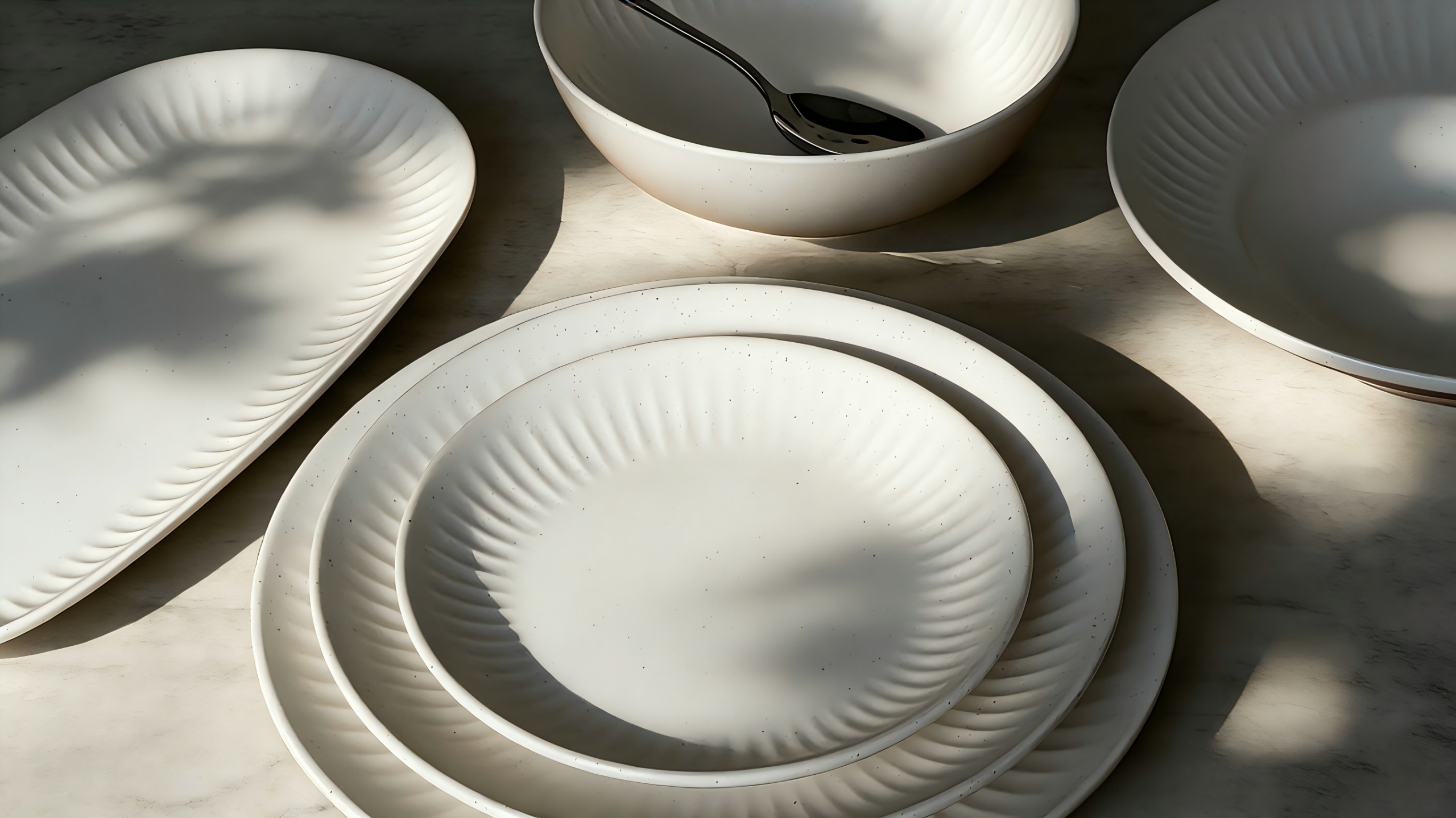
Modern homes incorporate traditional Chinese tableware with new designs to fit in daily convenience without compromising on aesthetics. Modern modular sets now more often integrate traditional patterns with durable materials for regular use. Modular sets also include stackable bowls, melamine plates, and ergonomic chopsticks, and storing them is easy while promoting the usability factor without compromising on beauty.
Safety and Practical Considerations
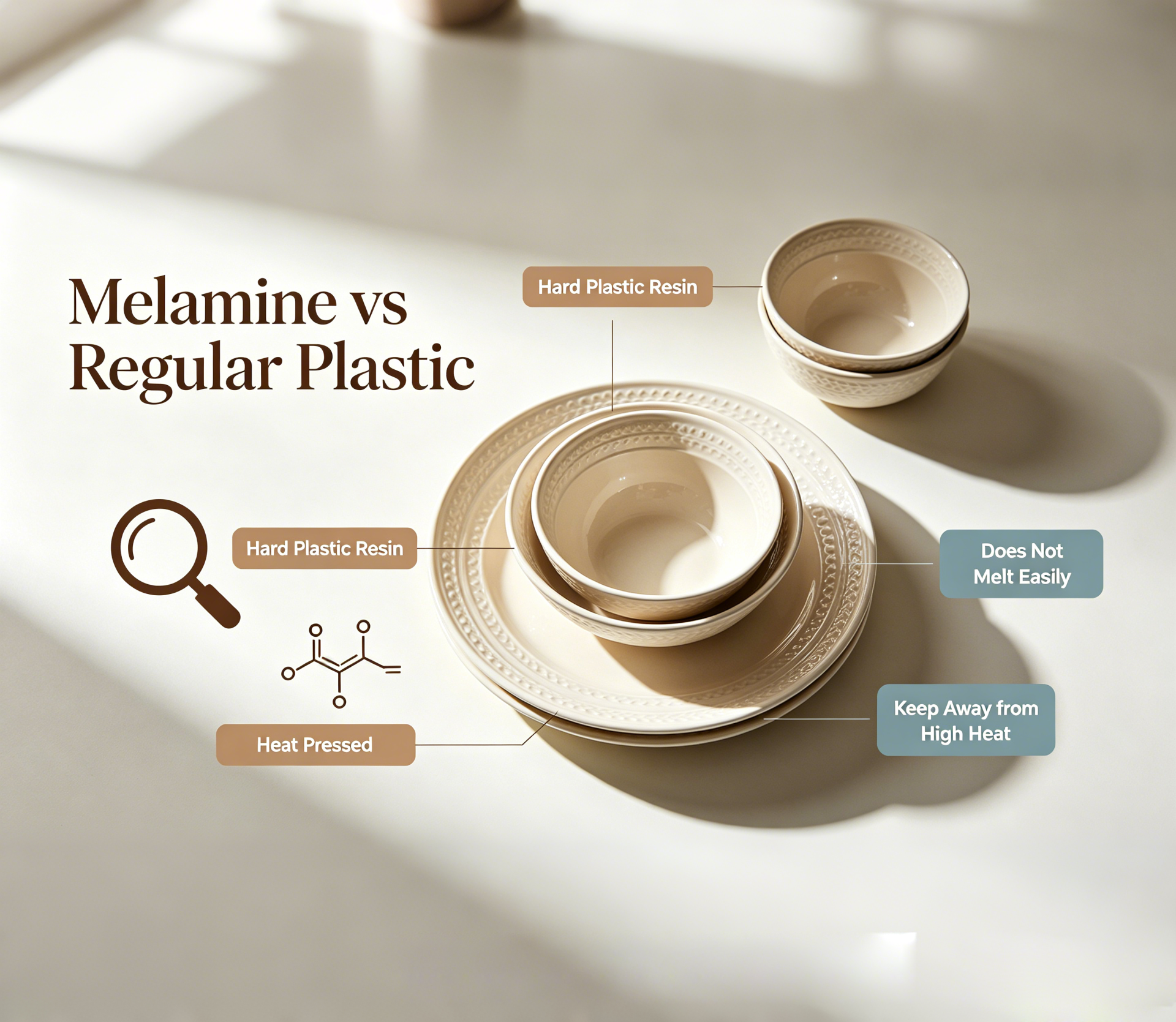
High-quality Chinese tableware made from melamine is usually crafted with BPA-free materials, heat-resistant surfaces, and dishwasher-safe finishes. Standard sizing, such as bowls ranging from 10–15 cm and plates from 18–26 cm, ensures consistency across different sets. Modern designs often emphasize stackability and modularity, allowing households to maximize storage while maintaining an elegant appearance. Brands like Vitajoyware offer well-crafted melamine Chinese tableware sets that combine durability with traditional aesthetics, making them both practical and stylish for everyday use.

Conclusion
Understanding the shapes, size, and proper use of Chinese tableware beautifies daily dining and ritual banquets. From plates and bowls to chopsticks and teapots, every item serves a functional as well as cultural purpose. The addition of modern innovations, like sets from Vitajoyware, provides a convenient yet culturally respectful dining experience. Awareness of tableware ensures convenience and health while respecting the glorious history of Chinese banquet culture.




.jpg)