


A meal is not just a way to fill the stomach, but to enjoy. Quality dining tableware stands at the forefront in creating the ambiance, the way one experiences the meal, and even managing the mood of the occasion. From beautifully decorated porcelain plates to well-polished cutlery, everything contributes to creating a quality dining space.

The Role of Dining Tableware in Setting Mood
- Tableware as Something Other Than Just Practicality
Even when tableware is specially designed to be used with foods, it also indicates culture, style, and taste. Refined dining tableware can make a plain meal one of excess, and ugly or mismatched pieces can even have the power to spoil even the tastiest food. It is on this premise that luxury hotels, fine dining restaurants, and private entertainers spend time selecting the perfect sets.
- Connecting Presentation with Perception
Psychological experiments prove that presentation impacts the perception of taste. For example, it has been proven through research that dessert is sweeter when presented on a white porcelain plate compared to being presented on a paper plate. This is a proof of the tableware effect while eating in the dining experience via the transmission of visual perception.
Choosing Appropriate Material
- Porcelain and Melamine tableware
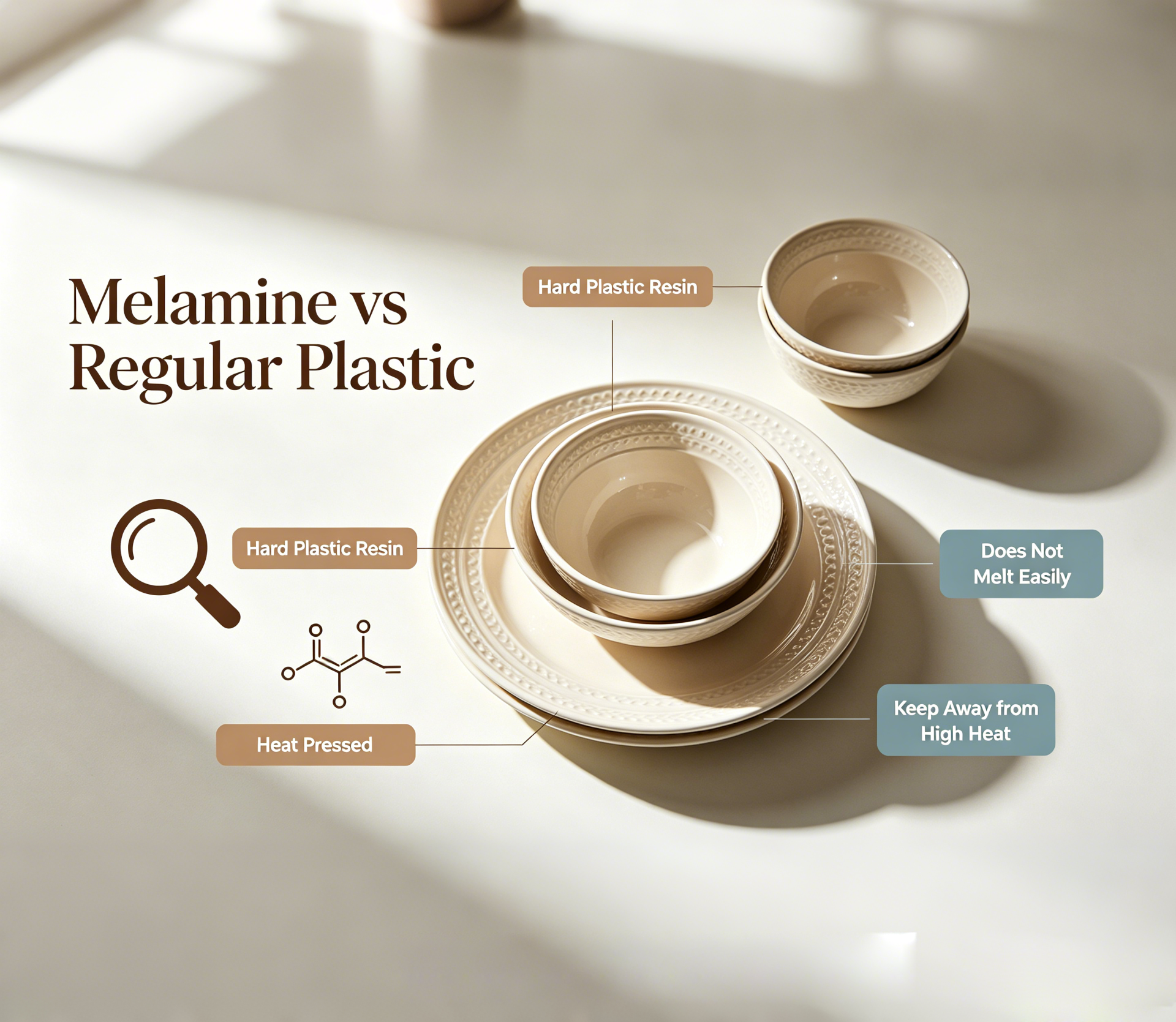
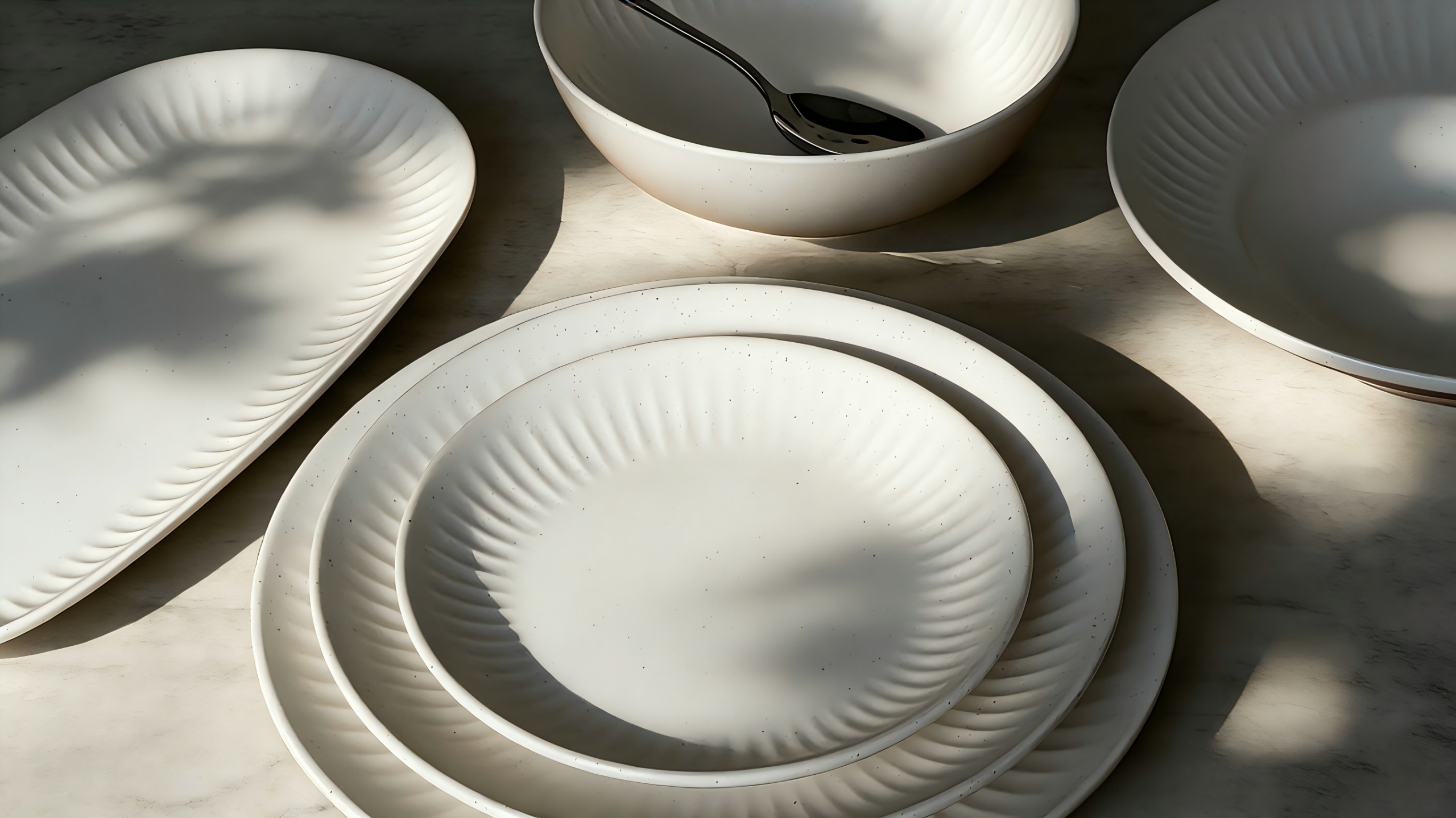
Porcelain is prized for its lustrous appearance, resilience, and classic sophistication. Melamine, a type of ceramic-like material, is also highly valued for being lightweight, durable, and resistant to breakage, making it ideal for both everyday use and elegant settings. For instance, Vitajoyware offers exquisite melamine tableware that combines practicality with refined aesthetics. China, typically reserved for special occasions, is softer but intransigent as a substitute. Both imply upper-crust surroundings and are therefore suitable for business luncheons or formal affairs.

- Glass and Crystal
Drinks require a glass. A crystal wine glass enhances the flavor and scent of wine itself and adds a sophistication to the table. Choosing the correct shape of the glass—wider bowls for red, narrower for white, for instance—exhibits concern with detail.

- Stainless Steel and Silverware
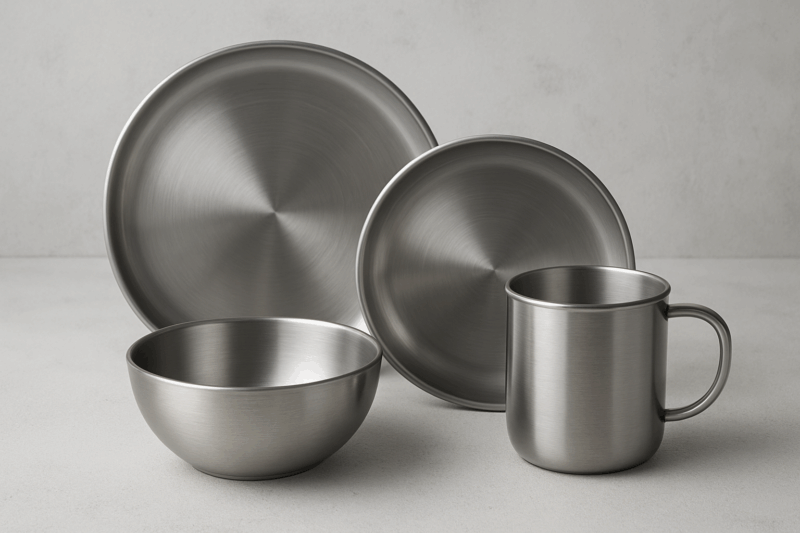
Cutlery isn’t forgotten either. Harsh and contemporary stainless steel cutlery, as well as opulent silverware, are also part of high-quality dining tableware sets. These sets are most commonly constructed of stainless steel for daily use and ceremonial silverware for special occasions.
Accessories for the Right Occasion
- Casual Dining
Rustic and simple tableware is best for daily meals. Simple and unobtrusive designs with subtle hues embody comfort and simplicity without feeling overwhelming.
- Formal Affairs
For a formal evening, coordination is the word. Plates, bowls, glasses, and cutlery all need to be coordinated in style and color. Shining forks or curved napkins are minor details that create an ambiance.
Tableware also carries cultural aspects. Japanese cuisine is minimalist with very few bowls and chopsticks, whereas European haute cuisine is about a myriad of courses and each piece of cutlery and plate. Having tableware that is appropriate to the theme adds to authenticity.
Stimulating the Senses through Tableware
- Visual Stimuli
Aroma, color, consistency, form, salinity, and temperature are all senses of food. Colors, textures, and patterns have an effect on perception of food. A very colored meal can be rendered desirable if presented merely, and prominent patterns have the capacity to make us anticipate plain food.
- Tactile Experience
The feel of the smoothness of the velvet of a plate or the heaviness of a fork are all of the senses. People do perceive whether tableware is heavy or light, and it would influence their judgment of the quality of what they’re eating.
- Sound and Atmosphere
Even clinking glasses or flatware against plates assists in creating an atmosphere. Delicate glass clinks, but the dollar store variety clinks tinny. These noises play toward the atmosphere of sophistication.
Fine Dining Tips for Atmosphere
- Practice Balance and Coordination
Apply one pattern of plate, bowl, and utensils. Balance is important; applying too many patterns or hues creates a cluttered, not sophisticated, table.
- Think About Lighting
Table settings occur differently under various kinds of light. Candlelight makes reflective surfaces like silver and crystal stand out, and harsh light makes texture and pattern stand out.
Conclusion
It’s not merely cooking well that makes for an elegant dining experience. Dining tableware, such as plates, glassware, cutlery, and accessories, takes mealtime to a celebration. By selecting materials, matching occasions, and taking into account sensory components, restaurateurs and hosts can take the dining experience to a higher level. Investing in innovative and versatile tableware, such as the exquisite pieces from Vitajoyware, makes each meal, whether formal or casual, feel special and memorable.




.jpg)