


A well-set table is not merely utilitarian, but it also tells of attention to detail, hospitality, and cultural decorum. Knowledge of table setting etiquette enables ensuring that meals are served with panache, guests are treated with courtesy, and dining goes on apace. From casual dinners to formal gatherings, tableware placement rules can elevate any dining experience. Using high-quality tableware, such as sets from Vitajoywar, can enhance style and convenience when setting your table.
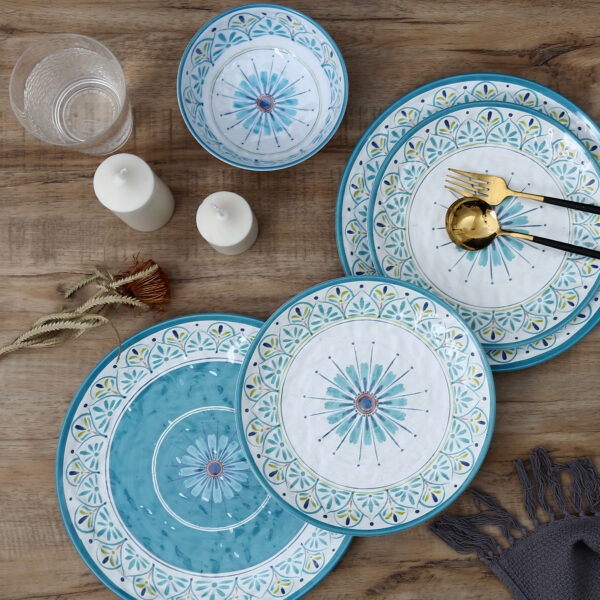
Basic Table Setting Etiquette
- Utensil Placement
The table setting etiquette rule of thumb is that the utensils are arranged in the order that they will be used. The forks are placed to the left, the spoons and knives to the right, and the blade of the knife facing toward the plate. On the outside edges for dessert or soup courses, forks and spoons are used. Alignment is proper so that each guest can easily pick up each utensil without getting them mixed up.
- Placement of the Plates and Bowls
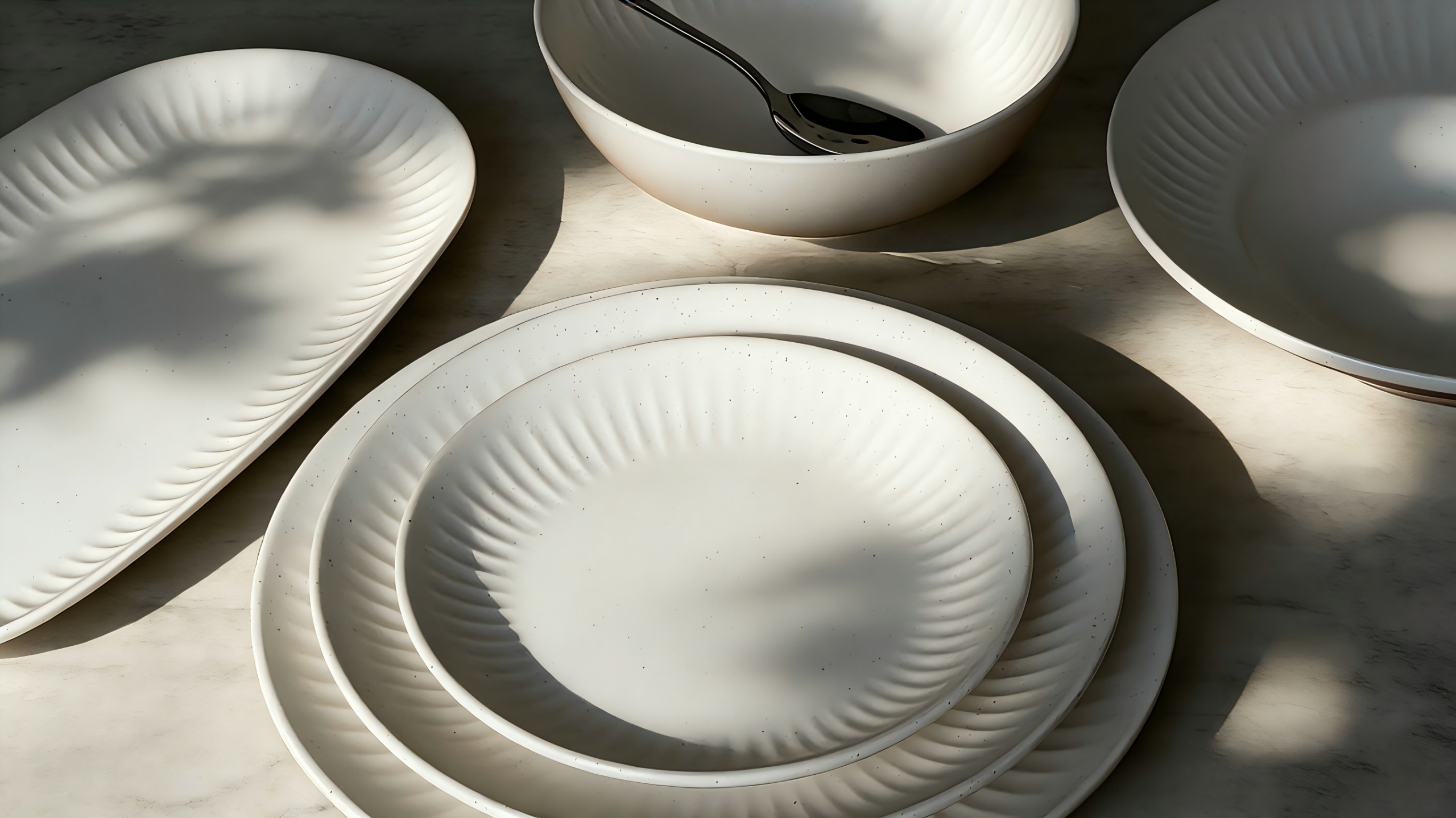
Plates are arranged in the center of each setting before the guests, with the dinner plate as the foundation and appetizer or salad plates stacked on top. Soup or cereal bowls are placed over the plates or a charger plate. Symmetry and alignment in all settings reflect an eye for detail, which is the foundation of table setting etiquette.
Glassware and Napkin Etiquette
- Correct Glass Placement
Glassware must be in a position above the knives on the right side. The water glass is placed closest to the guest, followed by wine glasses based on usage. Champagne flutes or special glasses can be placed diagonally behind wine glasses.
- Napkin Placement and Folding
Napkins may be placed to the left of forks, on the plate, or in an ornamental one in the center. For casual dinners, simple folds suffice, while formal dining can involve complex folds. Coordination of Vitajoyware with tableware and fashion sets can help to create a balanced and elegant presentation.
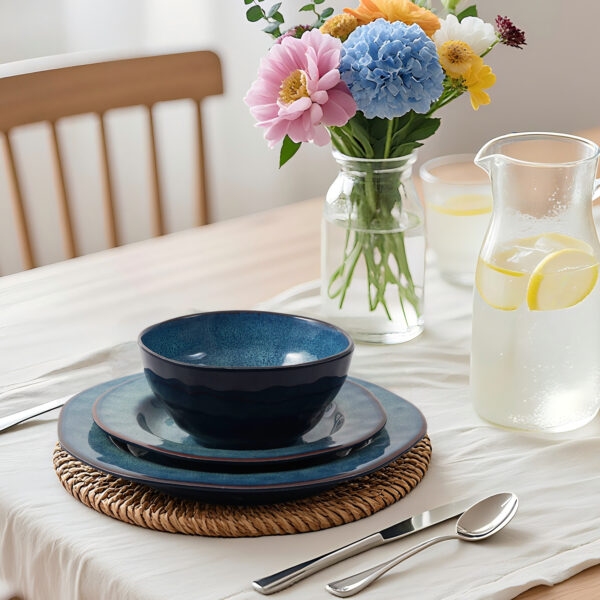
Essential Rules for Table Harmony
- Chargers, Bread Plates, and Butter Knives
Chargers, large decorative plates beneath dinner plates, add both style and functionality. Bread plates are placed above the forks, and butter knives are placed horizontally on the bread plate. These small details contribute to proper table setting etiquette and ensure that guests experience an organized and harmonious layout.
- Centerpieces and Decorative Elements
Table decorations should never obstruct the view between guests. Centerpieces must be low or narrow to allow conversation and easy reach for passing dishes. Maintaining balance between decorative elements and functional tableware enhances both aesthetics and practicality.
Precautions and Tips Shared by Many
- Avoid Clutter
Overcrowding the table with too many utensils or trimmings can get in the way of dining. Maintain a clear design, using necessary pieces per course.
- Consistency Throughout the Table
Consistency is everything. Every setting should be replicated to create symmetry and a professional look. Paying attention to table setting etiquette guarantees an elegant dining setting.
- Serving Special Courses
When handling multiple courses, clear out used utensils quickly and introduce the next set accordingly. This avoids confusion and maintains the tidiness of the table during the meal.
Conclusion
It is a requirement of mastering table setting etiquette to comprehend a meal’s sequence, consideration of guests, and functionality, along with aesthetic sensitivity. Subtle details like the position of napkins, glass configuration, and centerpiece level can bring a meal to perfection. The addition of well-thought-out tableware, such as diligently designed sets, promises a classy and symphonic dining experience. With high-quality products like Vitajoyware, it is possible to marry both function and beauty and have a warm table to fit any occasion.




.jpg)