


As consumers become increasingly concerned about food safety and health, bisphenol A (BPA) has become a key issue when choosing tableware. Many people ask: Are melamine tableware free of bisphenol A? This article explains the answer by examining material composition, manufacturing processes, and food contact safety standards.
What Is Bisphenol A (BPA)?
Bisphenol A is a chemical commonly used in the production of polycarbonate (PC) plastics and epoxy resins. It is widely found in plastic bottles, food containers, and internal can linings. Studies suggest that BPA may migrate into food under high temperatures or prolonged use, potentially affecting the human endocrine system. As a result, many countries and regions strictly regulate or limit BPA in food contact materials.

What Materials Are Melamine Tableware Made Of?
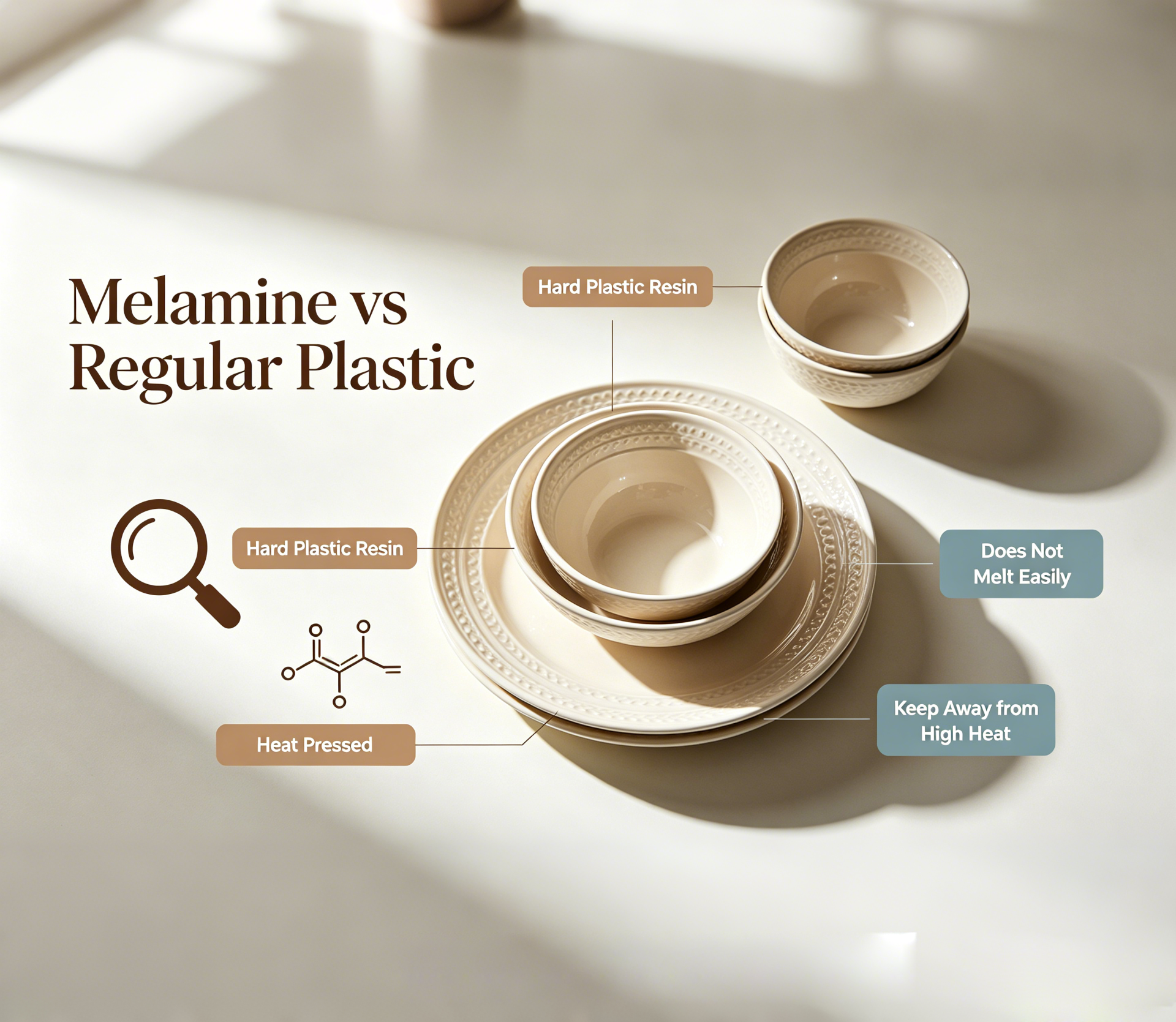
Melamine tableware is primarily made from melamine formaldehyde resin, a thermosetting plastic widely used in food contact applications. This material offers several important advantages:
- Durable and impact-resistant
Melamine resin is molded under high temperature and pressure, resulting in a hard and stable structure. Compared with ordinary plastic tableware, it is far more resistant to cracking or deformation, making it ideal for restaurants, hotels, and children’s tableware. - Smooth surface and easy to clean
The dense, smooth surface of melamine dishes resists oil stains and food residue, allowing for easy cleaning with standard detergents. This helps maintain hygiene and reduces bacterial buildup, which is especially important in commercial catering environments. - Attractive appearance with rich design options
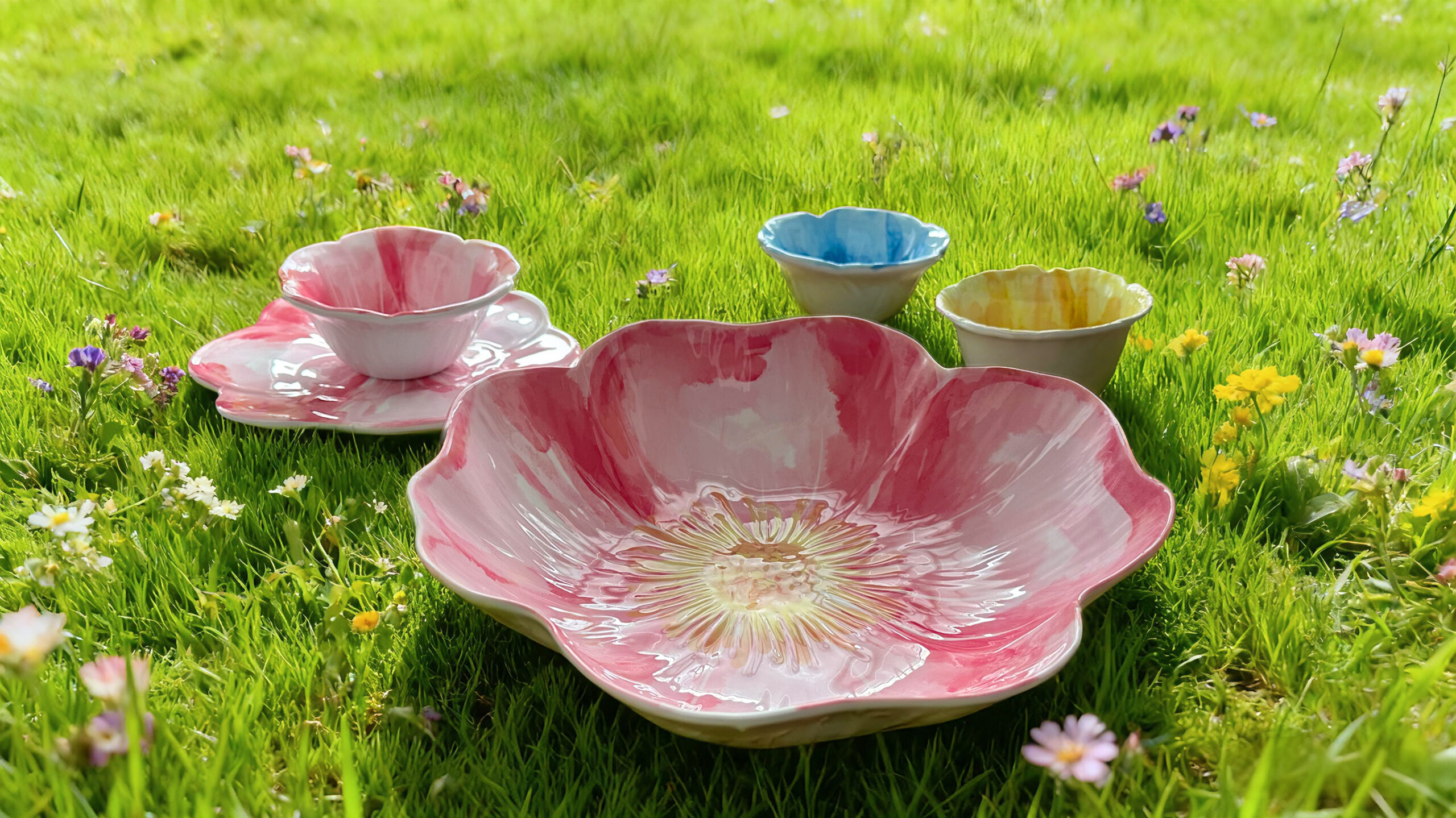
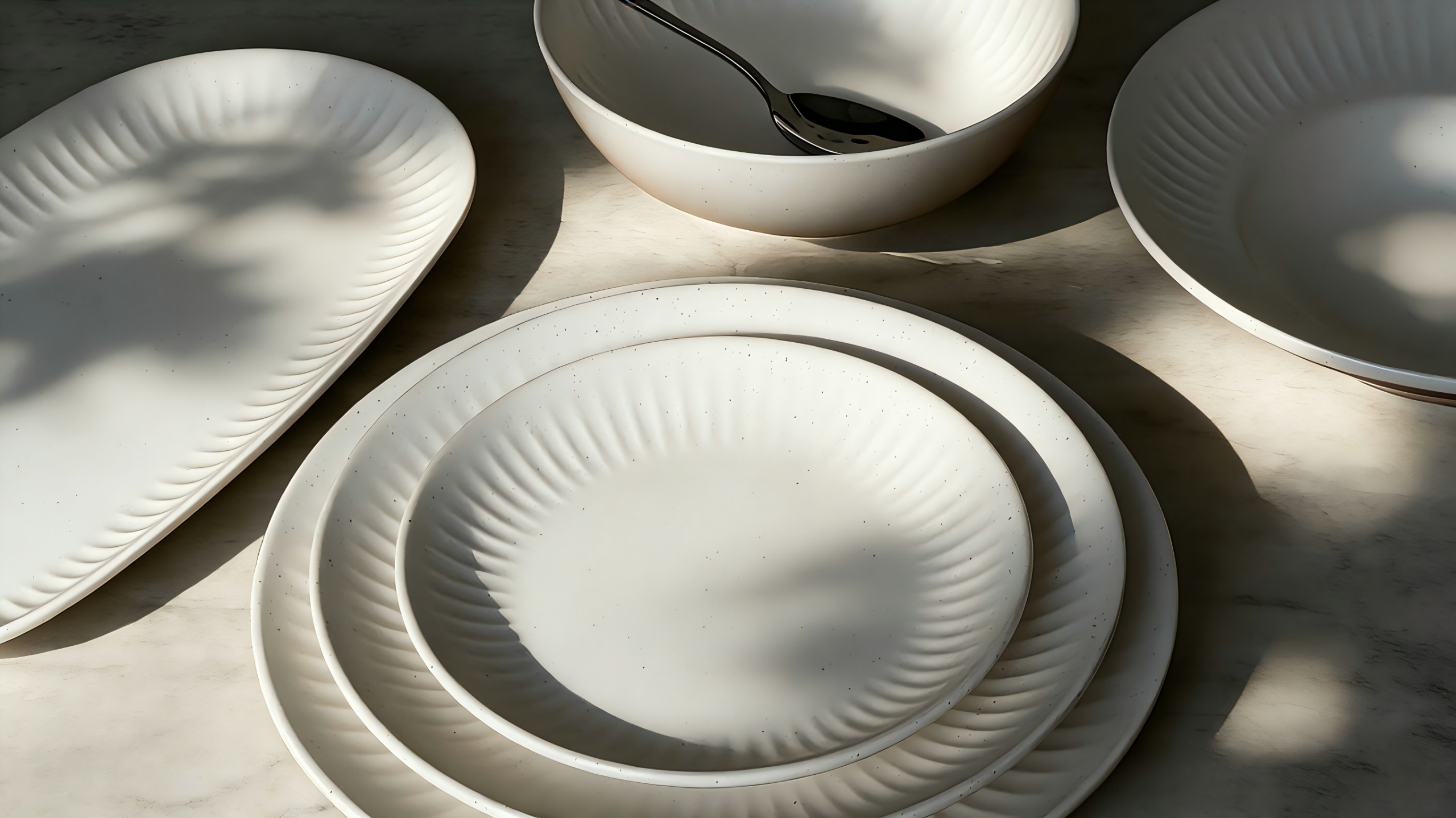
Melamine resin has excellent coloring and printing properties. It can imitate ceramic or wood textures and maintain bright colors and clear patterns over time, combining functionality with visual appeal. - Lightweight yet high-quality feel
Compared with ceramic or glass tableware, melamine dishes are lightweight and easy to handle, especially for children and the elderly, while still offering a premium, ceramic-like feel. - Wide range of applications
Melamine tableware is commonly used in schools, hotels, restaurants, fast-food chains, airlines, and households, making it one of the most widely used food contact materials today.
Most importantly, melamine formaldehyde resin does not use bisphenol A in its chemical structure or manufacturing process. BPA is associated with polycarbonate plastics and epoxy resins, not melamine materials. From the raw material level, qualified melamine tableware is inherently BPA free, which is why it is widely recognized as BPA free tableware.
Do Melamine Dishes Contain Bisphenol A?
From both a material and manufacturing perspective, properly manufactured melamine tableware does not contain bisphenol A. This is clearly supported by several factors:
- BPA is used in PC plastics, not melamine resin
BPA is a key component in polycarbonate plastics and epoxy resins, whereas melamine formaldehyde resin belongs to a completely different chemical system. BPA is neither required nor added during melamine production. - Compliant manufacturers follow food contact safety regulations
Legitimate melamine tableware manufacturers must comply with national and international food contact material regulations. These regulations include strict controls on harmful substances and migration limits, ensuring product safety. - Export-grade melamine tableware is often BPA free tested
Products intended for export—especially to Europe and North America—typically undergo third-party laboratory testing to confirm they are BPA free or meet BPA migration standards, offering additional safety assurance.
In summary, when purchased from reliable sources and used under normal conditions, melamine tableware is safe and suitable for everyday use.

How to Use Melamine Tableware Safely
Although melamine tableware is BPA free, proper usage is still important to ensure safety and durability:
- Avoid high-temperature heating
Melamine dishes are not suitable for microwaves, ovens, or open flames. Excessive heat may damage the material structure. - Avoid long-term contact with strong acids or high-fat foods
Foods such as vinegar or lemon juice should not be stored in melamine tableware for extended periods, especially at high temperatures. - Choose certified and reputable brands
High-quality melamine tableware should pass food-grade testing and clearly indicate usage guidelines. Choosing trusted brands helps minimize potential risks.
When used correctly, melamine tableware remains a safe, durable, and cost-effective option.
Melamine Tableware vs. Other BPA Free Tableware
Many products labeled “BPA free” include melamine, glass, ceramic, and BPA-free plastics. Compared with BPA-free PC plastics, melamine tableware does not rely on removing BPA—it simply does not contain it at all, making its safety more stable and inherent. Melamine also offers advantages in impact resistance, lightweight design, and aesthetics, making it ideal for children’s tableware and high-frequency commercial use. However, for high-temperature heating or cooking, glass and ceramic tableware remain better choices. Overall, melamine tableware provides an excellent balance of safety, durability, and visual appeal among BPA free food contact materials.
Conclusion
Are melamine tableware free of bisphenol A? The answer is yes—qualified melamine tableware is typically BPA free and does not contain bisphenol A. When manufactured in compliance with international food contact standards, melamine tableware is a safe, durable, and visually appealing BPA free tableware solution for both household and commercial use. As a brand dedicated to high-quality melamine tableware, Vita Joy is committed to using certified raw materials and strict quality control standards to deliver safe and reliable food contact products. If you are looking for BPA free melamine tableware or customized solutions, feel free to contact us—Vita Joy is ready to support your needs.




.jpg)